


 English
 русский
 Español
 中文简体
中文简体 Home / News / Industry News / Wholesale Line Sheet Sample for Yarn Suppliers: What to Include & How to Format
Industry News
Wholesale Line Sheet Sample for Yarn Suppliers: What to Include & How to Format
2026-05-13
Content
- 1 What Is a Wholesale Line Sheet and Why It Matters
- 2 Core Elements Every Wholesale Line Sheet Must Include
- 3 Wholesale Line Sheet Sample: A Practical Structure for Yarn Suppliers
- 4 How to Set Wholesale Pricing and MOQ in Your Line Sheet
- 5 Design and Format Tips for a Professional Line Sheet
- 6 Common Mistakes to Avoid in Your Wholesale Line Sheet
A buyer reaches out—interested in your yarn, ready to talk numbers. The next thing they ask for is your line sheet. If you don't have one ready, or if the one you send looks incomplete, that conversation can go cold fast. A wholesale line sheet is the document that bridges interest and order, and for yarn and textile suppliers, getting it right means the difference between landing a retail partner and losing them to a competitor who did.
What Is a Wholesale Line Sheet and Why It Matters
A wholesale line sheet is a concise, product-focused sales document shared with retail buyers to communicate what you sell, how much it costs, and the terms under which they can order it. Unlike a lookbook—which is built to inspire—a line sheet is built to close. By the time a buyer requests one, they're already past the discovery phase. They want facts: specifications, prices, minimums, and how to place an order.
For yarn and textile manufacturers, the line sheet plays a particularly strategic role. Buyers for garment factories, knitwear brands, and home textile companies often work across multiple suppliers simultaneously. A well-organized line sheet signals professionalism, reduces back-and-forth emails, and gives buyers everything they need to make a purchasing decision without a follow-up call.
It's also worth distinguishing a line sheet from a full product catalog. Catalogs are comprehensive—they may include dozens of pages, lifestyle imagery, and detailed brand storytelling. A line sheet strips all of that away and focuses exclusively on what's orderable, at what price, and under what conditions. Think of it as the working document of wholesale.
Core Elements Every Wholesale Line Sheet Must Include
There's no universal template, but certain fields are non-negotiable. Missing even one can force a buyer to reach out for clarification—or worse, move on entirely. Here's what every effective yarn wholesale line sheet needs:
- Brand logo and contact information — Your company name, email, phone, and website should appear prominently. Buyers sometimes save or print line sheets, and your contact details shouldn't require digging.
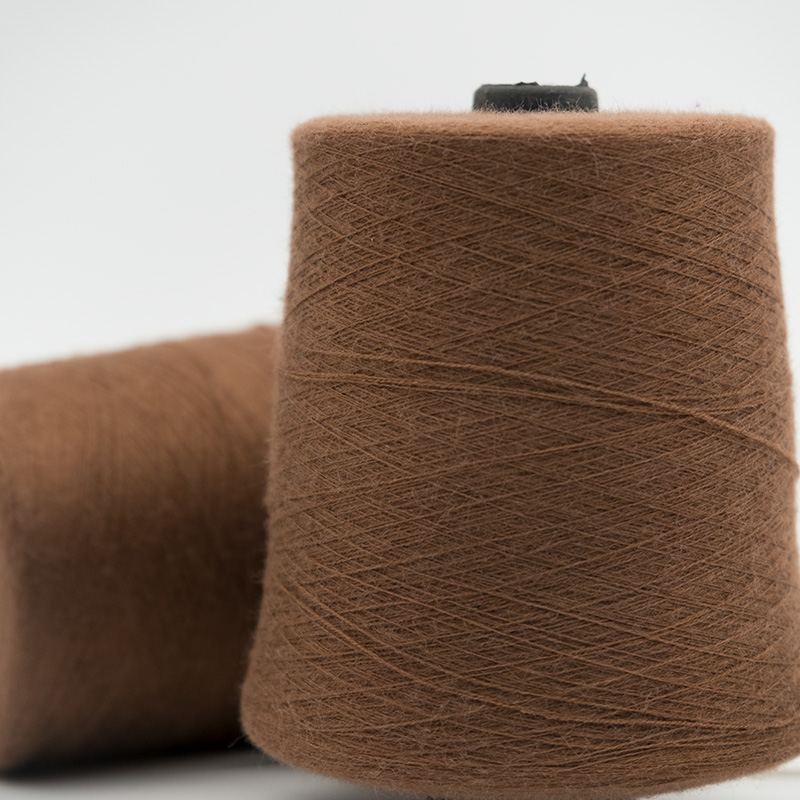
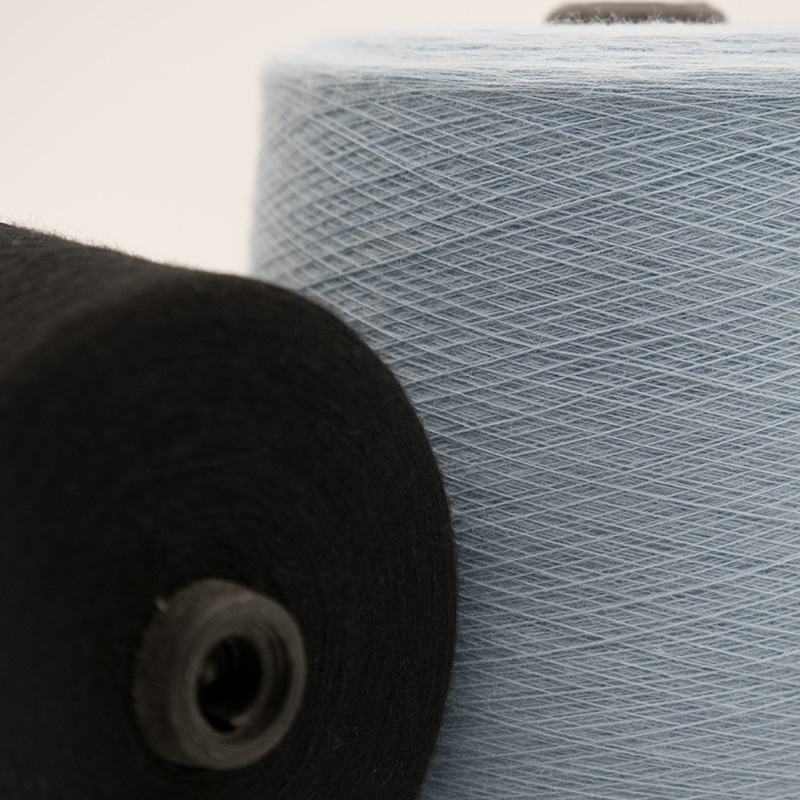
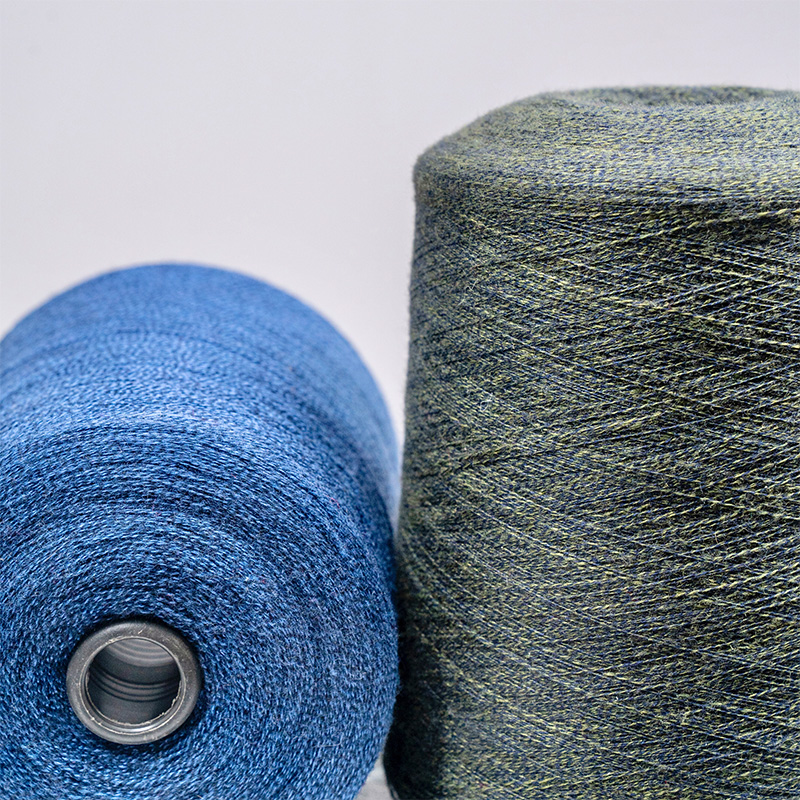
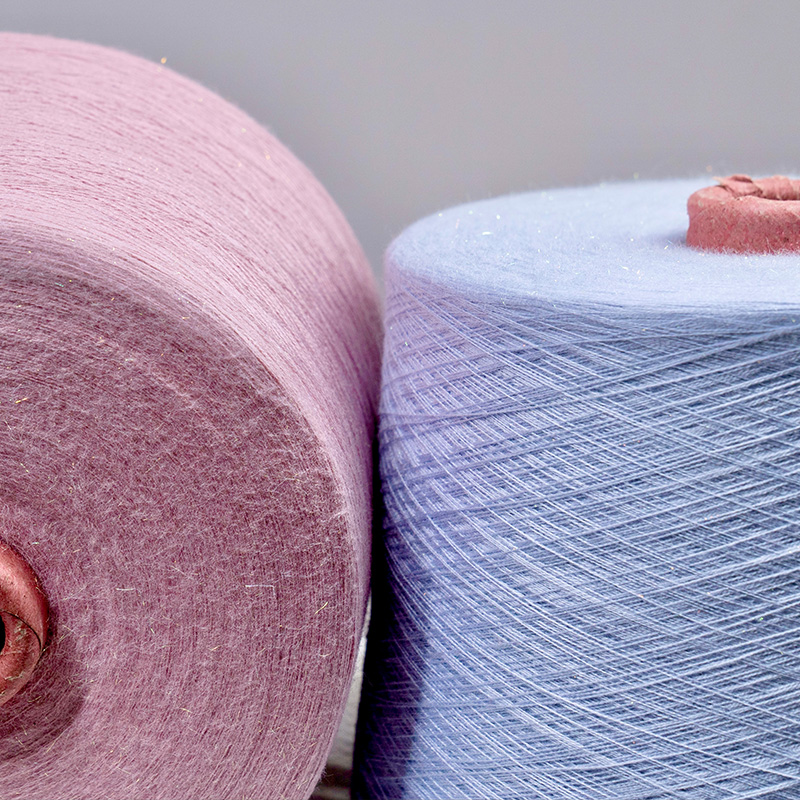
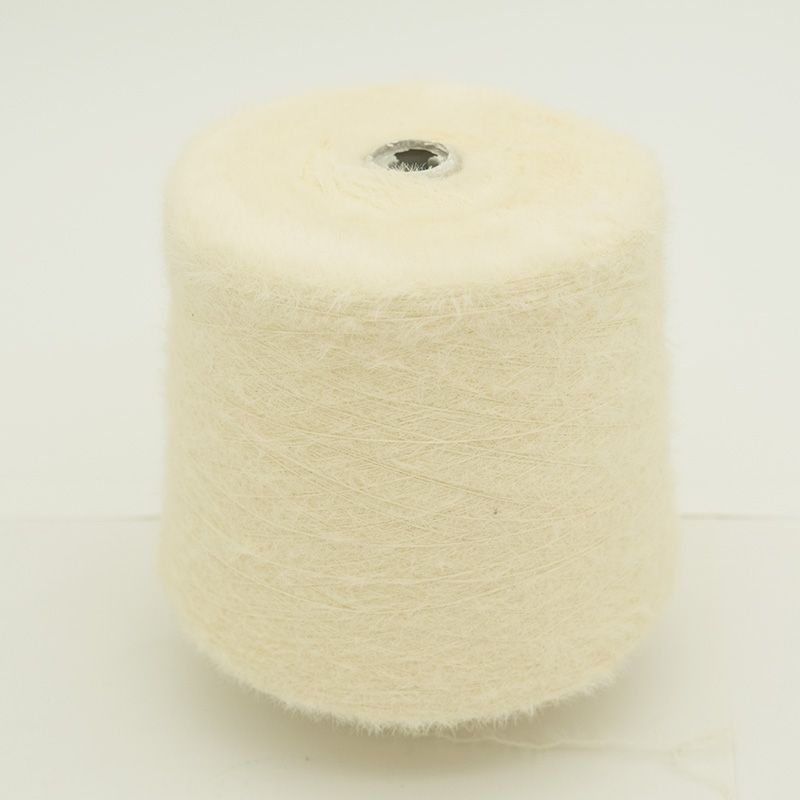
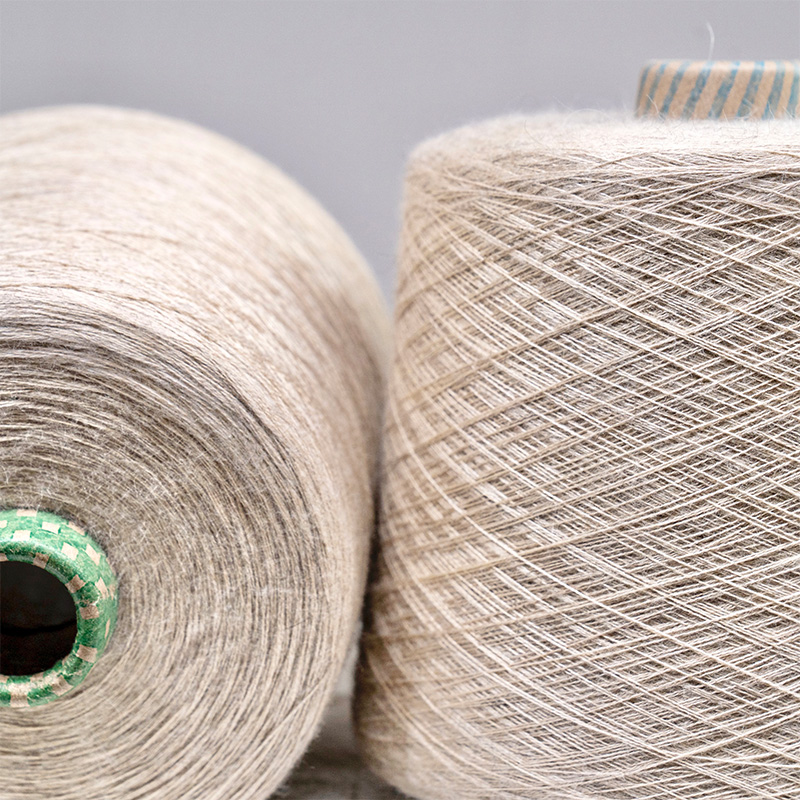
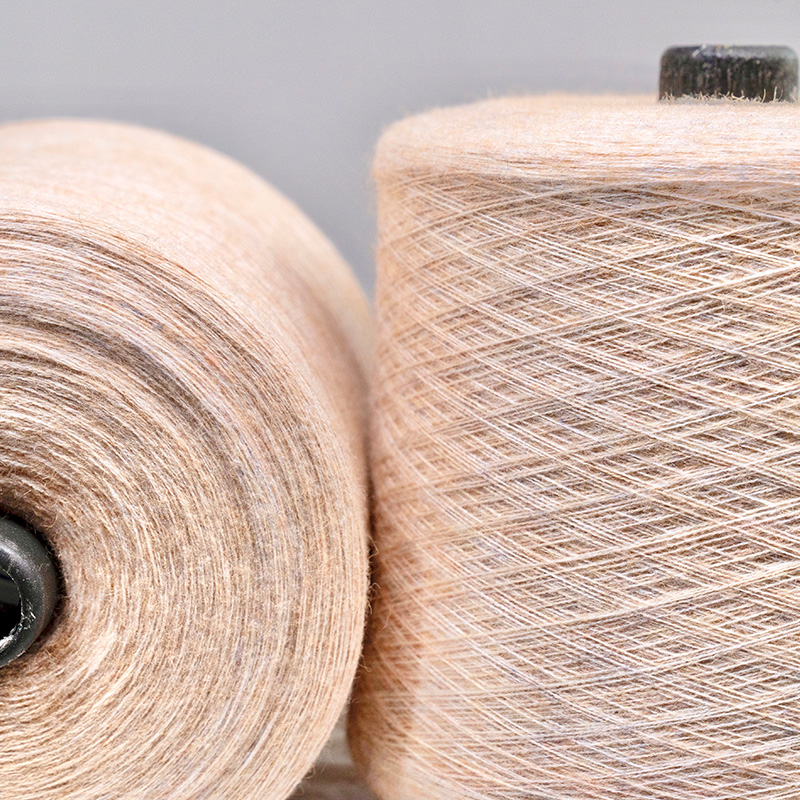
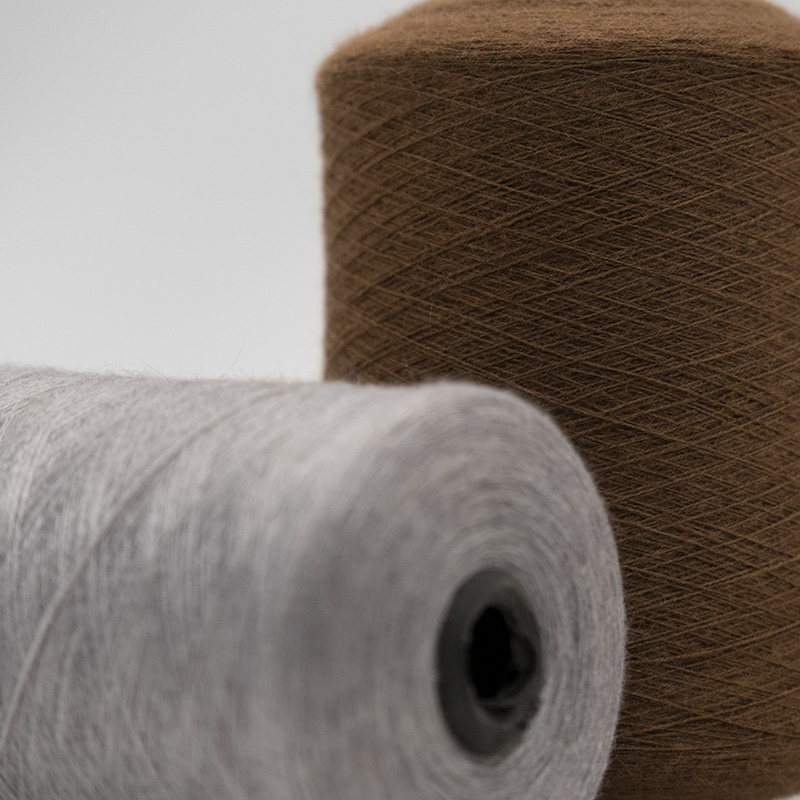
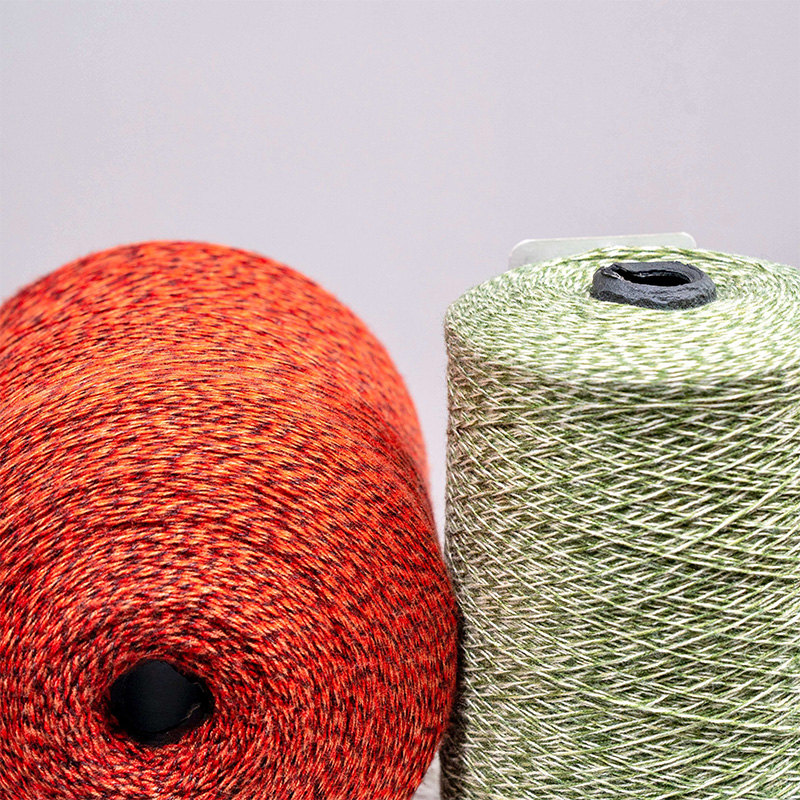
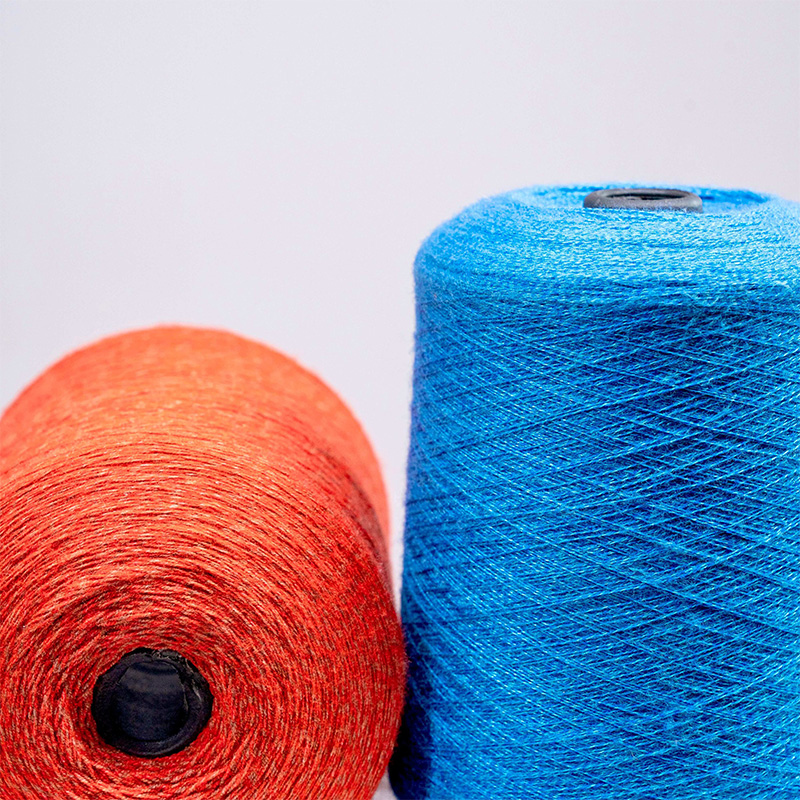
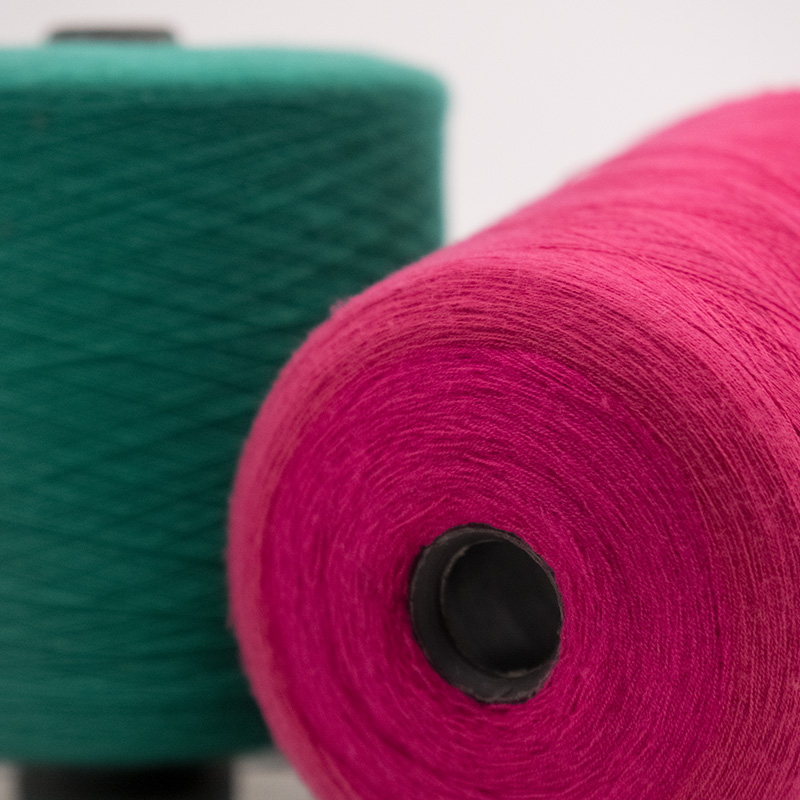
- Product images — High-resolution images on clean, neutral backgrounds. For yarn, this means clearly showing texture, fiber character, and color range. Multiple colorway swatches on a single row can save space without sacrificing clarity.
- Product name and item code (SKU) — Each product should have a unique identifier that buyers can reference when placing orders. This eliminates naming confusion, especially across similar product lines.
- Yarn specifications — This is where textile line sheets differ from general merchandise. Include yarn count (e.g., 28s/2), fiber composition, spinning method (core spun, vortex spun, etc.), and any functional properties such as antibacterial treatment, graphene content, or eco-certification. Buyers sourcing for performance or sustainable textile applications will assess this information carefully. Browse the core spun yarn collections for wholesale buyers to see how product specs can be organized by series.
- Available colors and count variants — List colorways by dye lot or standard color codes. If a product is available in multiple yarn counts or twist directions, note each variant separately.
- Wholesale price per unit (and unit of measure) — State clearly whether pricing is per kilogram, per cone, or per carton. Ambiguity here costs trust.
- MSRP or suggested retail price — Including the retail markup reference helps buyers calculate their margin at a glance.
- Minimum order quantity (MOQ) — Specify minimums per color, per item, and per order where applicable.
- Lead time and shipping terms — How many days from order confirmation to shipment? Are prices FOB, CIF, or EXW? Buyers working with production schedules need this immediately.
- Payment terms — Net 30, 50% deposit, or full payment in advance? State it clearly.
- Return and sample policy — A brief note on whether samples are available, at what cost, and how defective goods are handled.
Wholesale Line Sheet Sample: A Practical Structure for Yarn Suppliers
Below is a sample structure showing how a yarn manufacturer might lay out a single product entry on their line sheet. Each row or card in your line sheet should follow this format consistently.
| Field | Example Entry | Notes |
|---|---|---|
| Product Name | 28s/2 Graphene Core Spun Yarn | Use the commercial product name consistently |
| Item Code / SKU | WJ-GCS-28S | Reference code buyers use when ordering |
| Fiber Composition | Graphene-infused polyester core + viscose wrap | Include exact blend percentages where relevant |
| Yarn Count | 28s/2 | State the system used (Ne, Nm, Tex) |
| Spinning Method | Core spun | Helps buyers assess end-use suitability |
| Functional Properties | Far-infrared warming, antistatic, moisture-wicking | Especially important for performance textile buyers |
| Available Colors | 12 standard colorways + custom dyeing available | Reference Pantone or internal color codes |
| Unit of Measure | Per kg / per cone (200g) | Specify how pricing and MOQ are calculated |
| Wholesale Price | USD $X.XX / kg | State currency and whether price is FOB or EXW |
| MSRP Reference | USD $X.XX / kg (retail) | Optional but helps buyers calculate margin |
| MOQ | 100 kg per color / 500 kg per order | Break down by color and total order where needed |
| Lead Time | 15–20 business days after order confirmation | Specify from deposit receipt or PO confirmation |
| Certifications | OEKO-TEX Standard 100 | List relevant quality or sustainability certifications |
| Sample Policy | 50g sample available; cost deducted from first order | Clear policy reduces friction in the sales process |
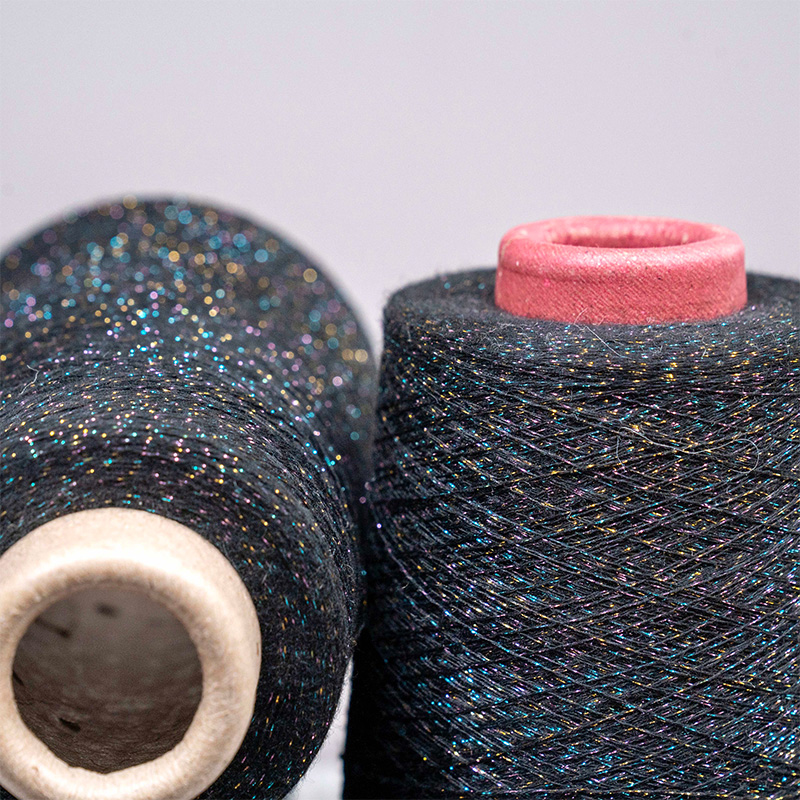
This structure works equally well for a functional core spun yarn with performance properties as it does for decorative or blended products like fancy yarn varieties for diverse textile applications. The key is consistency—every product entry should follow the same field order so buyers can scan quickly across your full line.
How to Set Wholesale Pricing and MOQ in Your Line Sheet
Pricing is the most scrutinized section of any line sheet. A standard benchmark in wholesale is that the wholesale price represents roughly 50% of the suggested retail price—a 2× markup for the retailer. In the yarn industry, this relationship is often more nuanced, since buyers are sourcing raw materials rather than finished goods, and their margins depend heavily on downstream production costs.
For yarn suppliers, a more practical approach to pricing tiers looks like this:
- Sample price — A per-unit price for small test quantities, often at or slightly above production cost, with the amount credited against the first full order.
- Standard wholesale price — The per-kg or per-cone price at the base MOQ tier, covering production costs and a sustainable margin.
- Volume discount tiers — Price breaks at defined order thresholds (e.g., 500 kg, 1,000 kg, 2,000 kg). Publishing these in the line sheet rewards larger buyers and incentivizes consolidation.
MOQ setting is equally strategic. According to wholesale industry guidance, highlighting MOQ clearly in linesheets and catalogs helps buyers assess purchasing feasibility before the first conversation. For yarn suppliers managing dye lots and cone winding minimums, it's common to set MOQs at both the color level and the total order level. Being explicit about both prevents misunderstandings once negotiations begin.
Environmentally certified product lines, such as eco-friendly core spun yarn series made with certified recycled or bio-based fibers, can often command a modest price premium. If that's the case, make the certification and its rationale visible directly in the pricing section—don't bury it in a footnote.
Design and Format Tips for a Professional Line Sheet
The visual presentation of your line sheet carries weight. A cluttered or hard-to-read document signals disorganization—not a quality anyone wants in a long-term supplier. A few practical guidelines:
- Choose the right format for your workflow. PDF is the most universal and allows full control over layout and branding. Canva works well for brands without a design team—it offers drag-and-drop ease and clean templates. Microsoft Word or Pages is serviceable for simple, single-product-type lines. Avoid sharing editable files with buyers; always export to PDF before sending.
- Organize products by category, not just alphabetically. Group by spinning method, fiber type, or application (e.g., apparel yarns vs. home textile yarns). Buyers sourcing for a specific end-use should be able to navigate to the relevant section without reading the entire document. A vortex spun yarn product line and a core spun line have very different technical profiles—treating them as separate sections in the line sheet reflects that difference clearly.
- Use consistent, high-quality photography. Each yarn photo should be on a neutral background and shot at the same angle and scale. Color accuracy matters—buyers making decisions without physical samples rely heavily on images.
- Keep your brand visible but not dominant. Your logo and color palette should appear consistently throughout, but the products should remain the visual focus. Line sheets are not marketing materials; they're working documents.
- Date every version. Include the season and year (e.g., "2026 Wholesale Line Sheet") on the cover and in the footer. Buyers who save documents across multiple seasons need to know which version they're referencing.
Common Mistakes to Avoid in Your Wholesale Line Sheet
Even experienced suppliers make avoidable errors that reduce a line sheet's effectiveness. The most common ones:
- Missing or vague contact information. If a buyer wants to place an order and can't find your email or phone number in under five seconds, you've created friction at the worst possible moment. Put full contact details on the cover page and repeat them in the footer of every page.
- No stated minimum order quantity. Leaving MOQ out of the line sheet forces every interested buyer to ask—which slows the sales cycle and signals a lack of process. State it clearly for each product.
- Inconsistent pricing format. Mixing per-cone and per-kilogram pricing within the same document without clear labeling causes calculation errors and erodes buyer confidence. Pick one unit of measure and stick to it, or separate sections by unit type.
- Low-resolution or poorly lit product images. Yarn texture, sheen, and color variation cannot be communicated through blurry photos. If your images aren't professional quality, invest in a one-day product shoot before sending your line sheet to buyers.
- No version or date stamp. Sending an undated line sheet means buyers have no way to confirm they're working with your current pricing and availability. Always date your documents, and update the version whenever pricing or product availability changes.
- Omitting lead times and payment terms. Buyers building production schedules need to know how long fulfillment takes before they commit. These details belong in the line sheet, not in a separate follow-up email.
A well-executed line sheet doesn't just answer questions—it prevents them from arising in the first place. The goal is a document so clear and complete that a buyer can review it, decide they're interested, and move straight to placing an order without needing to contact you for additional information.
CONTACT US
If you need to view WANTENG color chart, get a quote, or have questions, we invite you to contact us by filling out the form below.

ABOUT
CONTACT US
-
 Shengze Town, Tanqiu Village, Unit 6,7, Suzhou, Jiangsu, China.
-
 +86-18862359999
+86-13819413769 -
 sales@wjwtbf.com
madeline0831@vip.163.com
Copyright © Wujiang Wanteng Baofu Textile Co., Ltd. All Rights Reserved.
 Wholesale Knitting Yarn Manufacturers