


 English
 русский
 Español
 中文简体
中文简体

Industry News
Who Invented Sportswear? The History Behind Athletic Fashion
2026-04-17
Content
- 1 The First Sportswear Designer: John Redfern in the 1870s
- 2 How Women's Changing Lives Drove Early Sportswear Innovation
- 3 American Sportswear Is Born: Claire McCardell and the 1930s–1940s
- 4 The Role of Fabric Innovation in Sportswear History
- 5 From Athletic Apparel to Global Fashion: The 1960s to Today
- 6 What Modern Sportswear Demands from Its Yarns and Fibers
The First Sportswear Designer: John Redfern in the 1870s
Sportswear was not invented by a single moment or patent — it emerged gradually from the intersection of changing social habits, women's growing participation in outdoor activities, and the vision of one British tailor. John Redfern is widely recognized as the first sportswear designer in history. Beginning in the 1870s, Redfern operated out of Cowes on the Isle of Wight, where he began creating tailored garments specifically for women who rode horses, played tennis, went yachting, and practiced archery.
Before Redfern, no such category of clothing existed. Women who participated in sport simply wore modified versions of their everyday formal dress — corsets, heavy skirts, and restrictive layers that made physical activity genuinely difficult. Redfern changed this by designing structured, fitted garments that prioritized mobility without entirely abandoning the elegance expected of the era. His clients, many of them aristocrats and society women, found his designs so comfortable and practical that they began wearing them for everyday occasions — making Redfern not only the inventor of purpose-built sportswear but also the first designer whose athletic clothing crossed over into casual fashion.
How Women's Changing Lives Drove Early Sportswear Innovation
To understand why sportswear emerged when it did, it helps to understand what was happening in the lives of women during the late 19th century. Organized sport was becoming a social institution across Europe and North America. Tennis clubs, cycling associations, swimming resorts, and croquet lawns were drawing women into physical activity in unprecedented numbers. The clothing available to them was simply not designed for movement.
Early bathing costumes required shorter hemlines. Cycling demanded bloomers — loose trousers gathered at the knee — that allowed the legs to move freely without catching in bicycle gears. Tennis could not be played effectively in the full-skirted, corseted silhouettes that dominated women's fashion at the time. Each sport created a specific demand for a specific garment, and designers began responding.
This era also saw the shirtwaist — a tailored blouse adapted from men's workwear — enter women's wardrobes as a practical everyday garment. The late 19th century was the first time in modern history that function began competing with formality as a primary driver of women's clothing design. Redfern and his contemporaries were not simply making athletic clothing; they were quietly beginning a revolution in how clothing was conceived.
American Sportswear Is Born: Claire McCardell and the 1930s–1940s
While Redfern pioneered sportswear in Europe, the category was transformed into a global phenomenon by American designers — and no one was more central to that transformation than Claire McCardell. Working in New York from the 1930s onward, McCardell is widely credited as the greatest American sportswear designer of the 20th century and the person who gave the category its distinctive democratic identity.
McCardell's philosophy was radical for her time. She believed that well-designed, practical clothing should be available to every woman, not just the wealthy. She worked with humble, everyday materials — denim, cotton, wool jersey, and canvas — at a time when high fashion required silk and elaborate construction. Her designs featured simple closings, minimal fuss, and a relaxed fit that allowed genuine freedom of movement. Among her most celebrated creations were the "Popover," a denim wraparound housedress, and her practical swimsuits and sundresses that defined the American casual look.
The timing of McCardell's rise was significant. World War II had severed American designers' access to Parisian couture, forcing the US fashion industry to develop its own creative identity. McCardell and her peers — including Bonnie Cashin and Clare Potter — seized this moment. The Metropolitan Museum of Art credits this generation with genuinely inventing designer sportswear as a distinct category, developed entirely on American terms. Their work established a new standard: clothing that was practical, affordable, and stylish all at once.
The Role of Fabric Innovation in Sportswear History
The history of sportswear cannot be told without the history of fabric. Every major advance in athletic clothing has been enabled — or triggered — by a development in materials. The earliest sportswear relied on natural fibers: wool, cotton, and linen. These were comfortable and breathable but absorbed moisture heavily, dried slowly, and lost their shape under strain. They were the best options available, but they imposed real limitations on performance.
The first significant material shift came with vulcanized rubber in the 19th century, which enabled elastic waistbands and form-fitting garments. Then came the mid-20th century revolution in synthetic fibers. Nylon, originally developed for military applications during World War II, entered performance sportswear fabrics almost immediately after the war — appearing in running shorts and windbreakers that were lighter, faster-drying, and more durable than anything previously available.
Polyester followed in the 1950s and 1960s, and by the 1970s and 1980s it had become the dominant material in athletic clothing. Blended fabrics — combining natural and synthetic fibers to capture the best properties of each — became the industry standard. Moisture-wicking technology, stretch recovery, and abrasion resistance became the defining performance metrics of modern sportswear fabric, and the yarns used to construct those fabrics became as engineered as the garments themselves.
From Athletic Apparel to Global Fashion: The 1960s to Today
By the 1960s, sportswear had moved decisively beyond the athletic context that originally defined it. The first color-coordinated tracksuits appeared, constructed from cotton and nylon blends. Actors and musicians adopted them as everyday wear, giving athletic clothing a cultural cachet it had never previously enjoyed. In the 1970s, the global jogging boom brought running shoes and lightweight shorts into mainstream wardrobes, and major athletic brands expanded rapidly to meet demand.
The 1980s introduced neon ski jackets, aerobics leotards, and logo-heavy athletic branding as bold fashion statements. Sports and streetwear were merging into a single aesthetic. By the 1990s, brands were competing on technical performance — polyester fabrics engineered for sweat absorption, compression garments built for muscle support, and footwear designed around biomechanics rather than style alone.
The 21st century brought athleisure — perhaps the most complete expression yet of the trend that John Redfern accidentally started in the 1870s. Yoga pants replaced jeans as the preferred daily garment for millions of consumers. Hoodies and sneakers became appropriate in contexts that would once have demanded formal dress. Global sportswear now represents one of the largest and fastest-growing segments of the entire apparel industry, and every step of its evolution has been driven by material innovation as much as by design.
What Modern Sportswear Demands from Its Yarns and Fibers
Today's sportswear is built on yarn engineering. The performance characteristics that consumers expect — stretch, recovery, moisture management, softness, and long-term durability — are not properties of finished garments alone. They are determined at the spinning stage, in the choice of fiber, twist structure, and blend ratio, long before a single stitch is made.
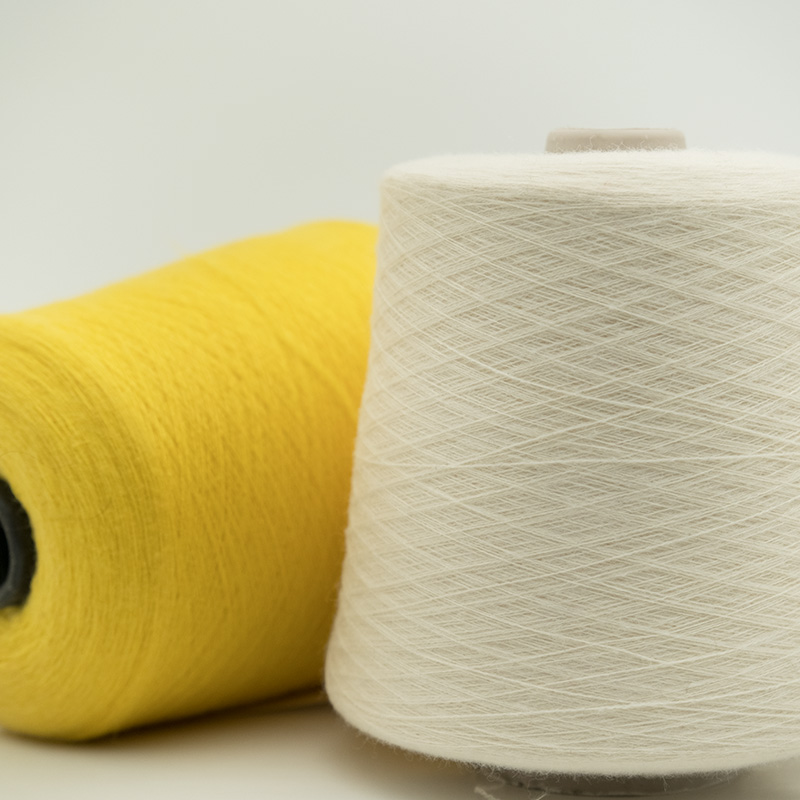
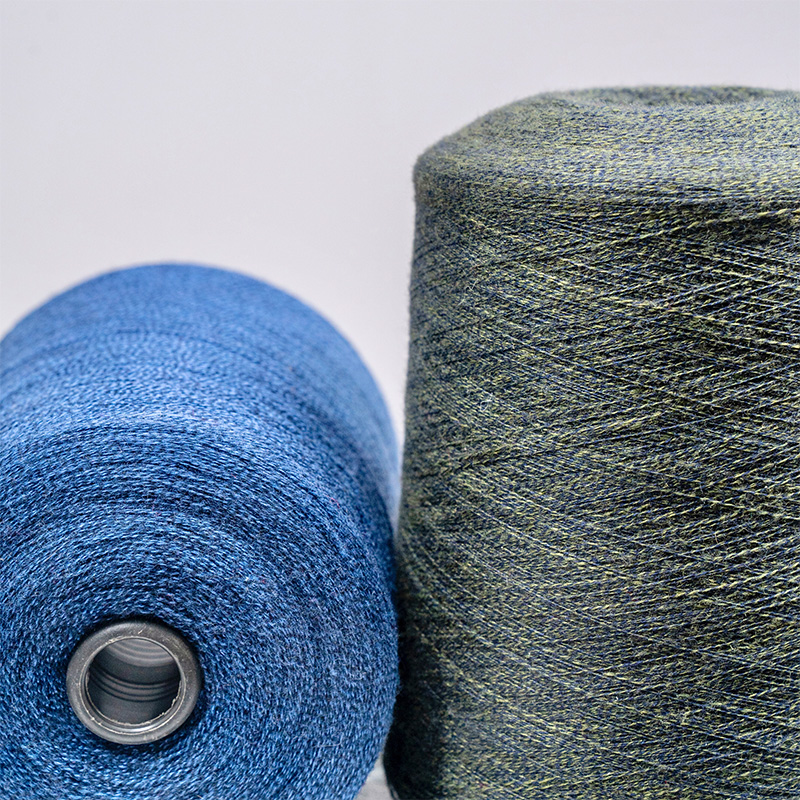
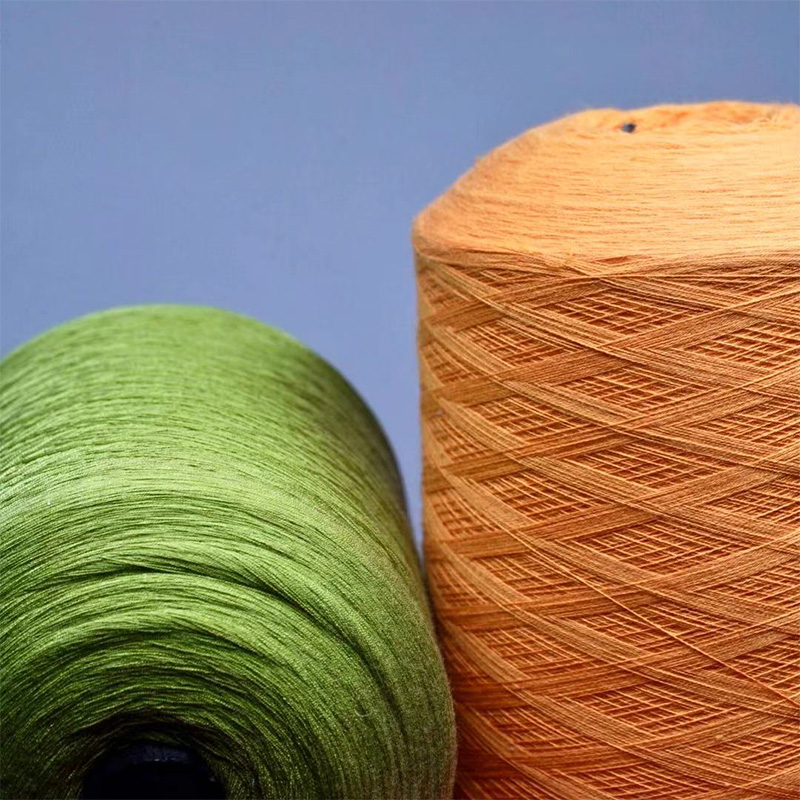
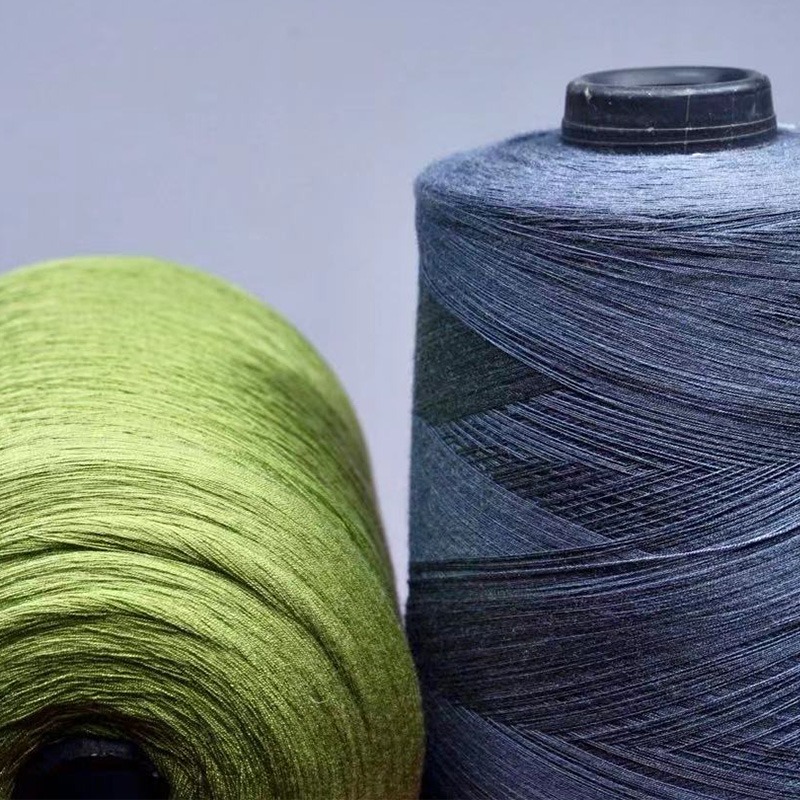
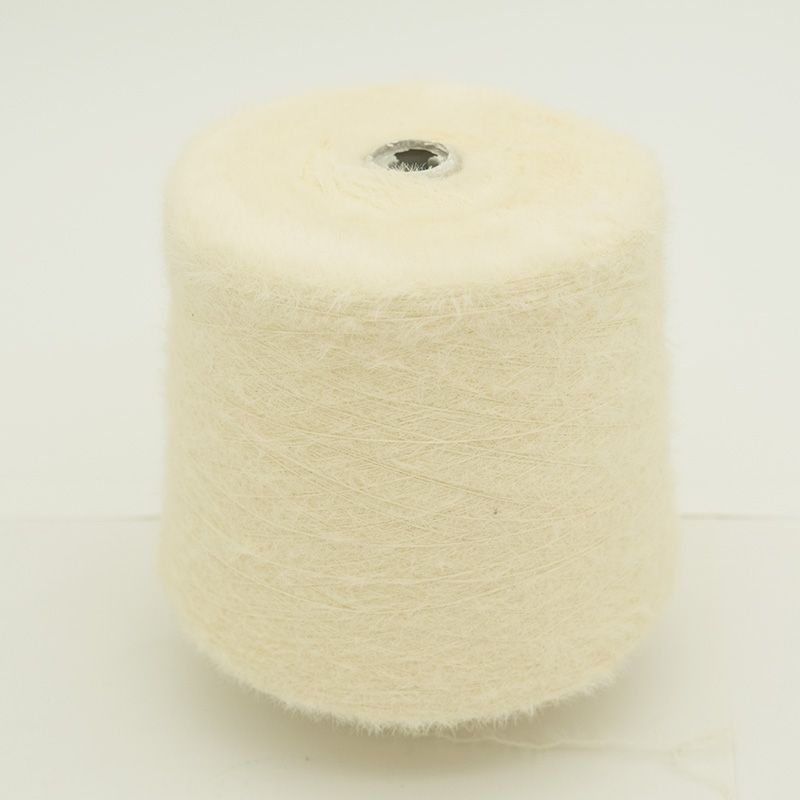
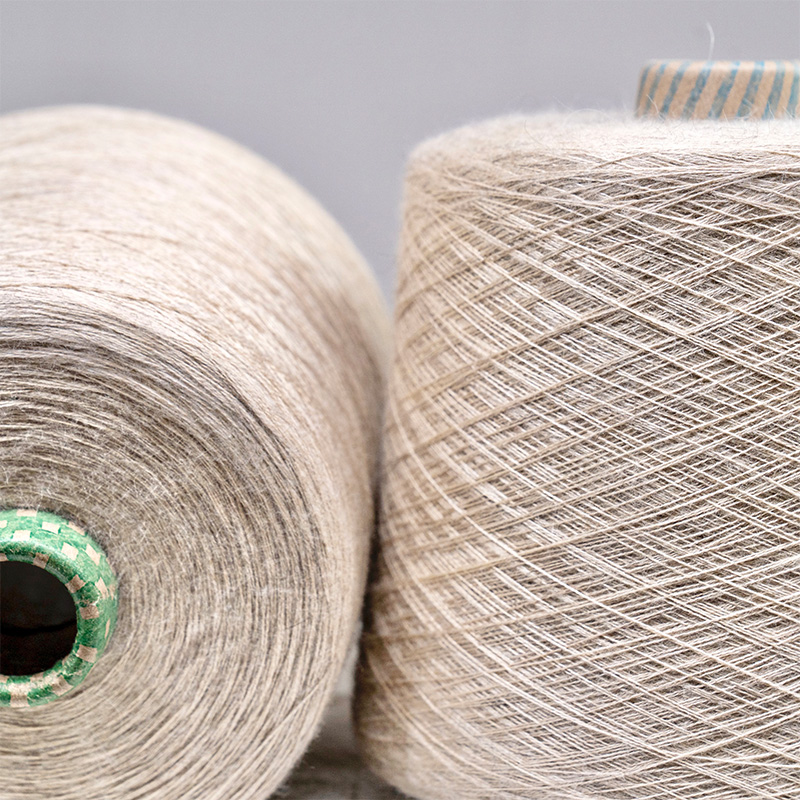
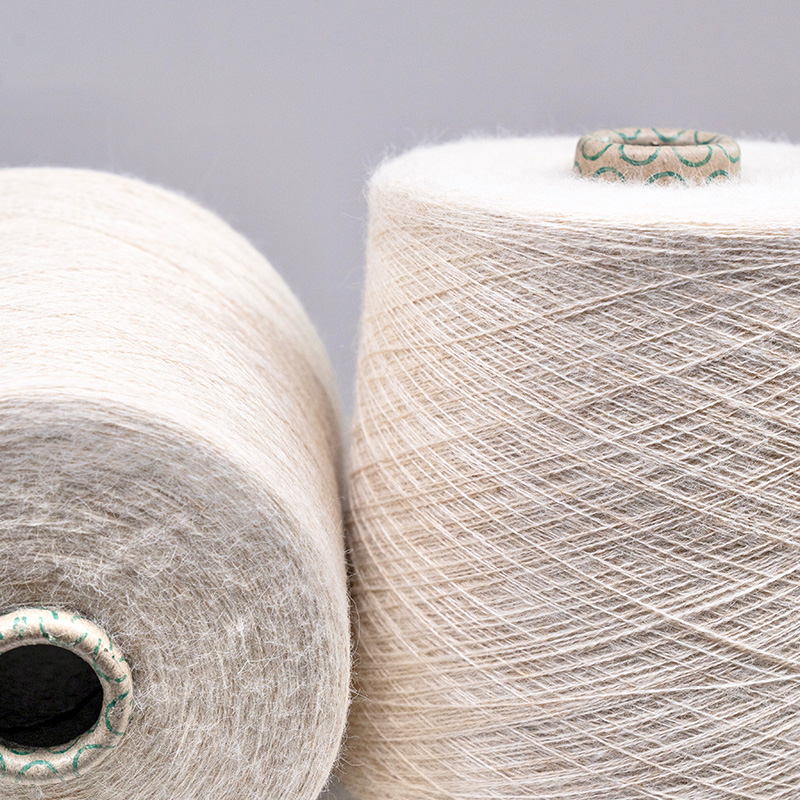
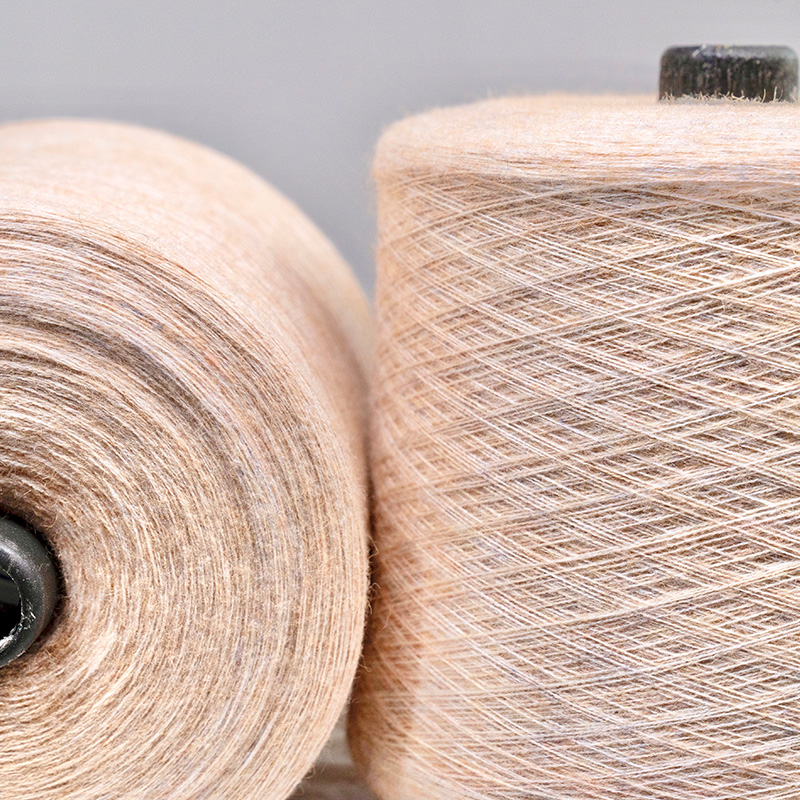
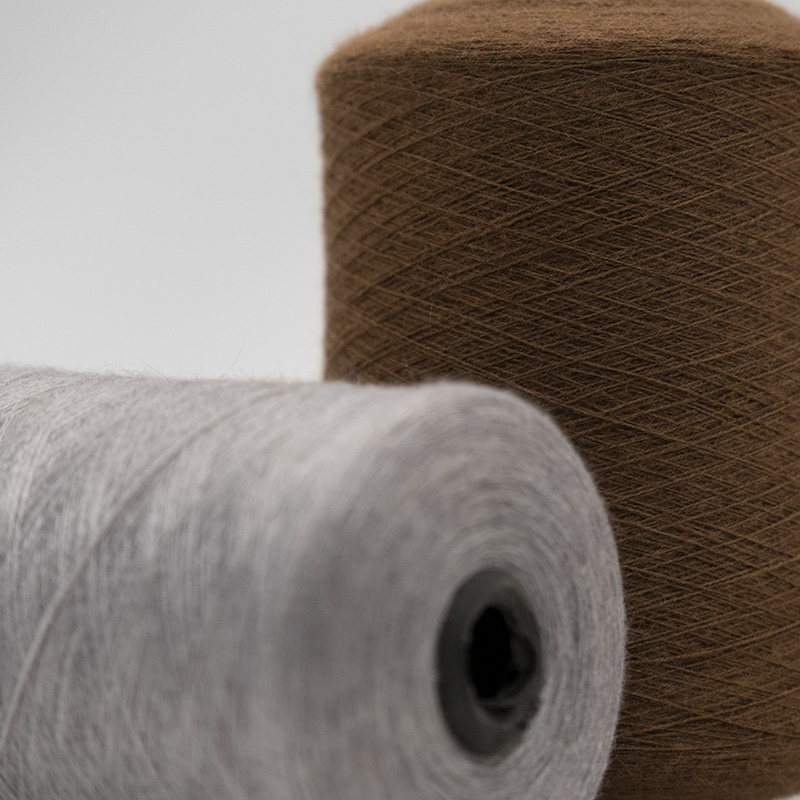
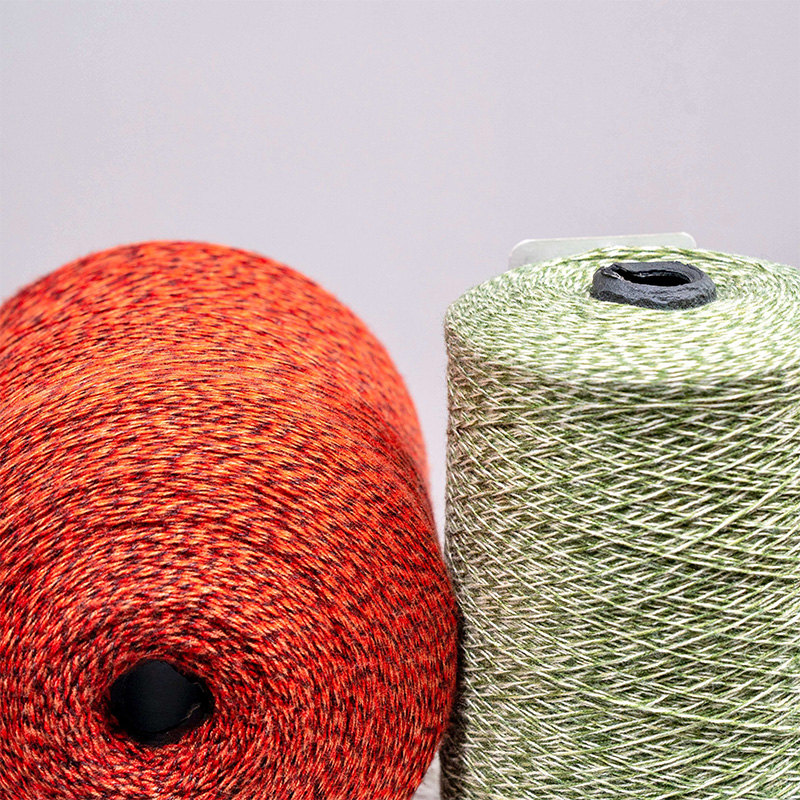
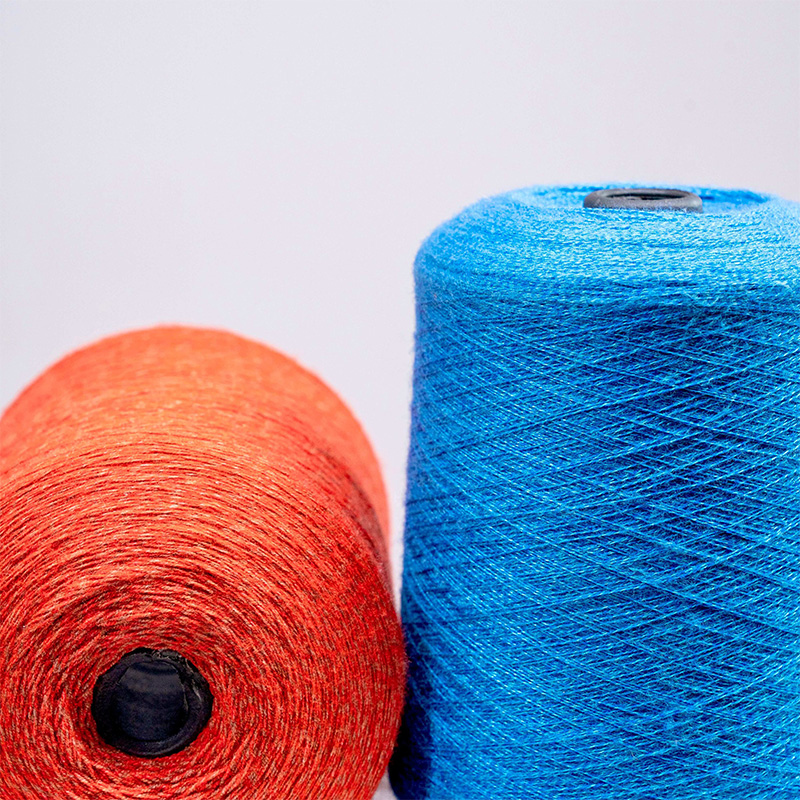
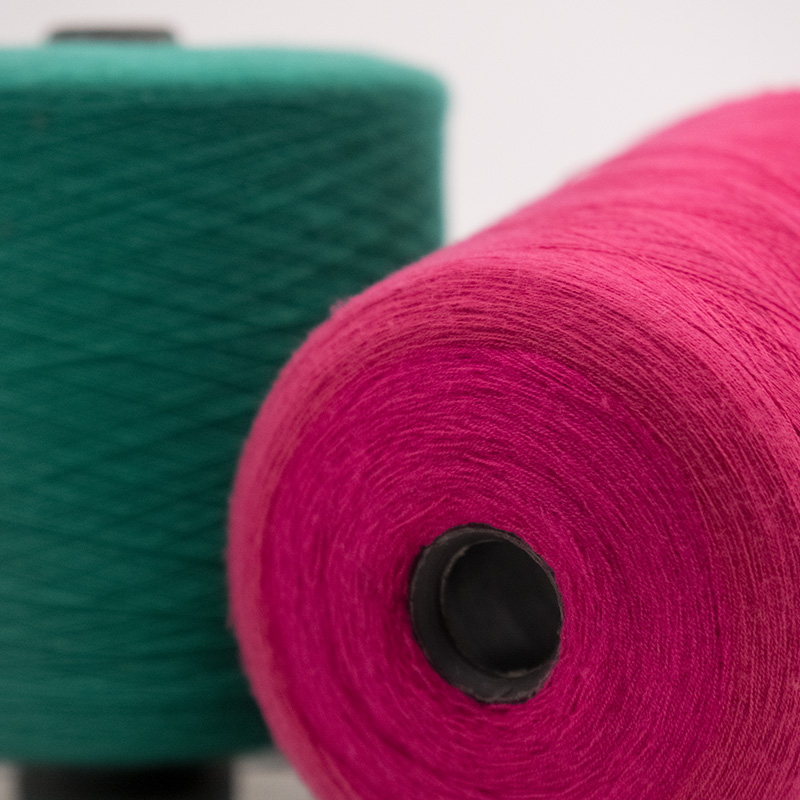
High-performance athletic clothing typically relies on two categories of specialist yarn. Vortex spun yarn delivers excellent abrasion resistance, minimal pilling, and a consistently clean surface — making it well-suited to outer layers and high-stress athletic applications where durability under repeated wear and washing is critical. Core-spun yarn, which wraps a synthetic elastic core in natural or blended fiber, provides the stretch and shape recovery that base layers, leggings, and compression garments depend on — conforming to body movement without distorting or sagging over time.
The best sportswear fabrics today are designed from the yarn upward. Fiber selection, spinning method, and blend composition all determine how a finished fabric will perform against skin, survive wash cycles, and hold up across years of active use. The true inventors of sportswear form a long chain — from Redfern's tailoring scissors and McCardell's denim to the textile engineers quietly refining the yarns that make modern athletic performance clothing possible.
CONTACT US
If you need to view WANTENG color chart, get a quote, or have questions, we invite you to contact us by filling out the form below.

ABOUT
CONTACT US
-
 Shengze Town, Tanqiu Village, Unit 6,7, Suzhou, Jiangsu, China.
-
 +86-18862359999
+86-13819413769 -
 sales@wjwtbf.com
madeline0831@vip.163.com
Copyright © Wujiang Wanteng Baofu Textile Co., Ltd. All Rights Reserved.
 Wholesale Knitting Yarn Manufacturers