


 English
 русский
 Español
 中文简体
中文简体 Home / News / Industry News / What Is Spandex Fabric Made Of? Complete Guide to Elastane Fiber | Wanteng Textile
Industry News
What Is Spandex Fabric Made Of? Complete Guide to Elastane Fiber | Wanteng Textile
2026-03-18
Content
What Is Spandex Fabric Made Of?
Spandex fabric — also widely known as elastane or Lycra — is a high-performance synthetic fiber engineered almost entirely from a long-chain synthetic polymer called polyurethane. More precisely, spandex must contain at least 85% segmented polyurethane by weight, as defined by the U.S. Federal Trade Commission. This unique chemical structure is what grants the fiber its extraordinary stretch and recovery properties, allowing it to elongate up to 5–8 times its original length before snapping back without deformation.
The polymer chain consists of two alternating molecular segments: hard segments (from diisocyanate compounds) that provide structural rigidity, and soft segments (from polyol compounds, often polyether or polyester glycol) that supply the characteristic elasticity. The precise ratio and molecular weight of these two segments determine the final fiber's stretch level, resilience, and heat resistance.
The Raw Materials Behind Spandex
Producing spandex starts with a carefully selected set of chemical raw materials. Understanding each component helps explain why spandex behaves the way it does in finished textiles:
- Macroglycol (polyol) — typically polytetramethylene ether glycol (PTMEG) or polyester diol; forms the soft, elastic segment of the polymer chain.
- Diisocyanate — commonly methylene diphenyl diisocyanate (MDI); forms the hard segment that gives spandex its structural integrity and heat stability.
- Chain extenders and cross-linkers — such as diamine compounds; these link the polymer segments and fine-tune mechanical properties like tensile strength.
- Stabilizers and additives — antioxidants, UV absorbers, and anti-chlorine agents that extend the fiber's service life and maintain color stability.
The combination of these materials results in a fiber that is lightweight, smooth to the touch, and capable of withstanding repeated stress cycles — qualities that make spandex indispensable in performance textiles.
How Is Spandex Fabric Manufactured?
Spandex fibers are produced through one of four primary methods, with dry spinning being by far the most common — accounting for roughly 90% of global production. Here is a step-by-step overview of the dry spinning process:
- Prepolymer formation: Macroglycol and diisocyanate are reacted to form a prepolymer solution in a dimethylacetamide (DMAc) solvent.
- Chain extension: Diamine is added to extend the polymer chain, forming the fully segmented polyurethane.
- Spinning solution preparation: Stabilizers and additives are blended into the polymer solution to achieve the target viscosity and performance profile.
- Extrusion: The solution is pumped through a spinneret — a metal plate with tiny holes — into a heated chamber where hot nitrogen gas evaporates the solvent.
- Fiber bundling and winding: Multiple single filaments are bundled together and wound onto bobbins, forming the final spandex yarn.
Alternative manufacturing methods include melt extrusion, wet spinning, and reaction spinning, each suited to specific end-use requirements or production scale. Melt extrusion, for instance, is gaining traction as a more eco-friendly approach since it eliminates solvent use.
Key Properties of Spandex Fiber
The molecular architecture of spandex translates directly into a set of exceptional physical properties that distinguish it from all other textile fibers:
Elasticity and Recovery
Spandex can stretch to 400–800% of its original length and return to its initial shape almost perfectly. This elastic recovery is superior to natural rubber in both durability and fineness, making spandex the preferred choice for body-conforming garments.
Lightweight and Fine Denier
Spandex is produced in very fine deniers (as low as 10–20 denier), meaning a small amount of fiber delivers significant stretch. This allows fabric engineers to add elasticity to blended textiles without substantially increasing weight or bulk.
Chemical and Thermal Resistance
Spandex resists degradation from body oils, perspiration, lotions, and most detergents. It tolerates moderate heat during processing but should not be exposed to high temperatures exceeding 180°C, which can cause the polymer structure to break down.
Dyeability
While spandex itself can be difficult to dye, it readily accepts dyes used for nylon and polyester under modified conditions, enabling vibrant, colorfast results in blended fabrics.
Spandex in Core-Spun Yarn: A Critical Application
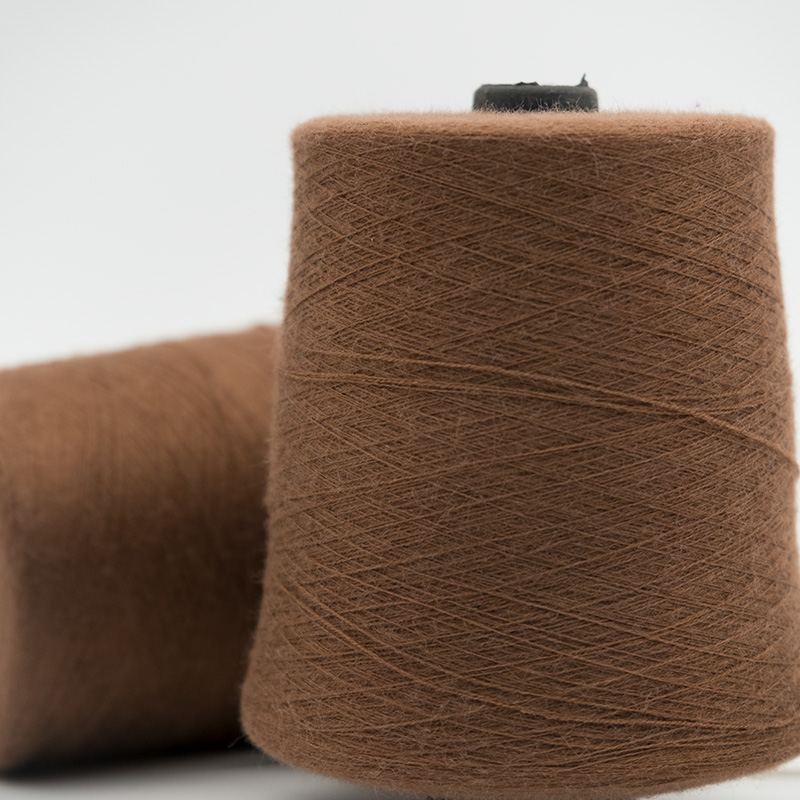
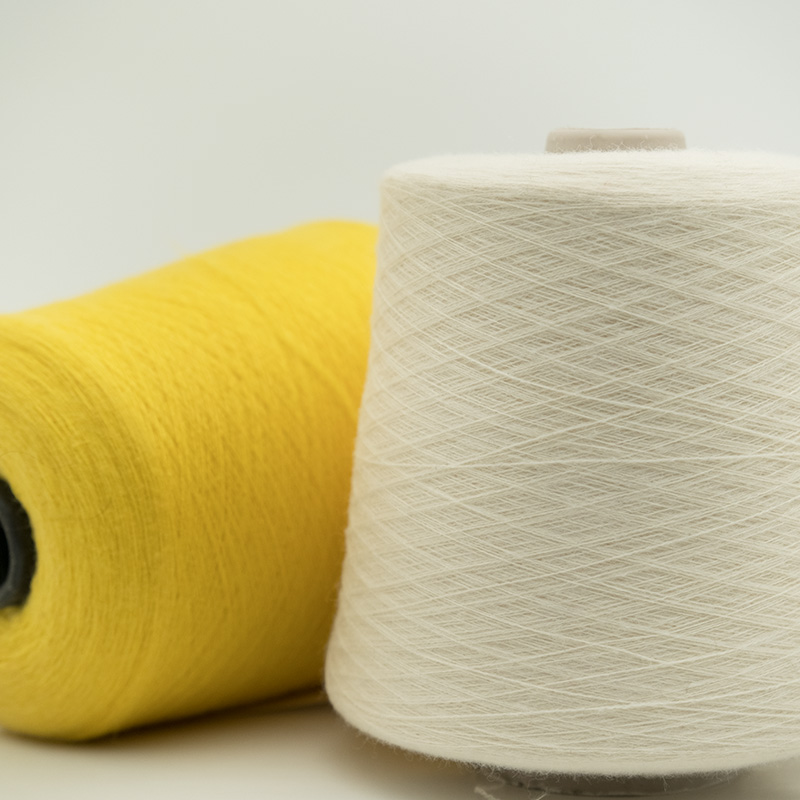
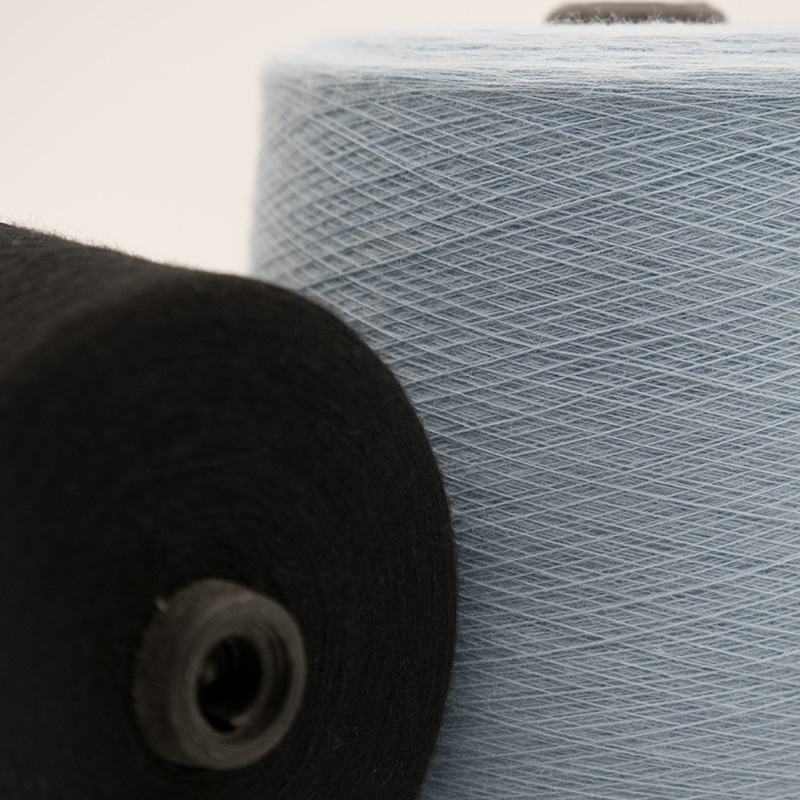
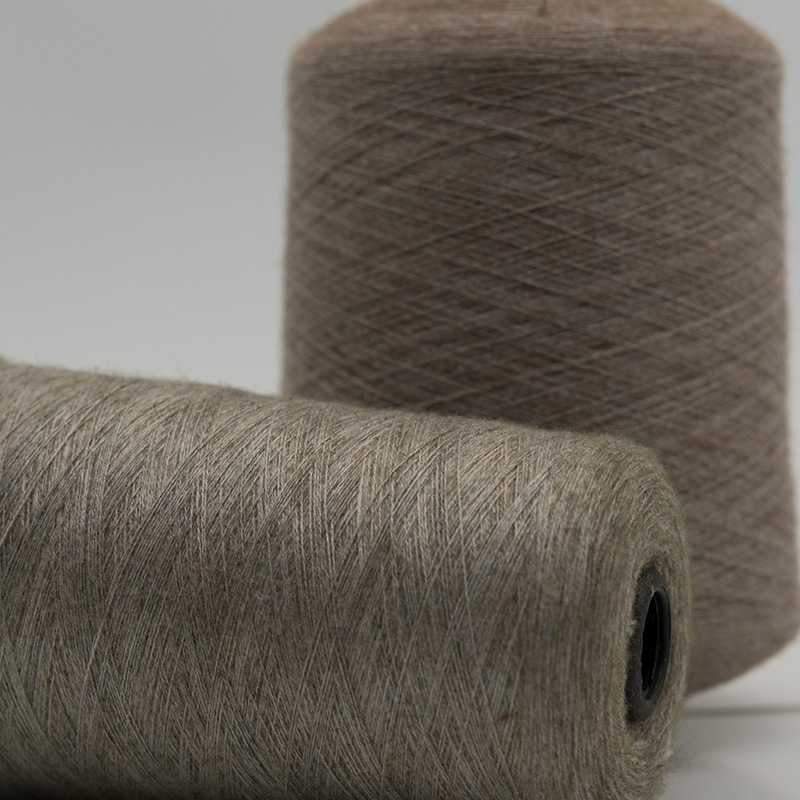
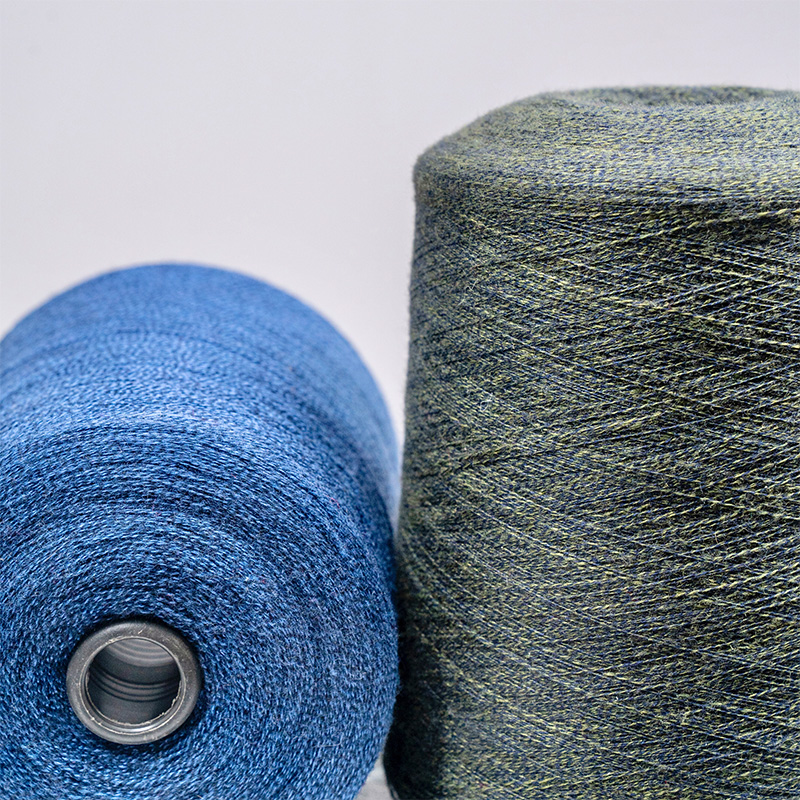
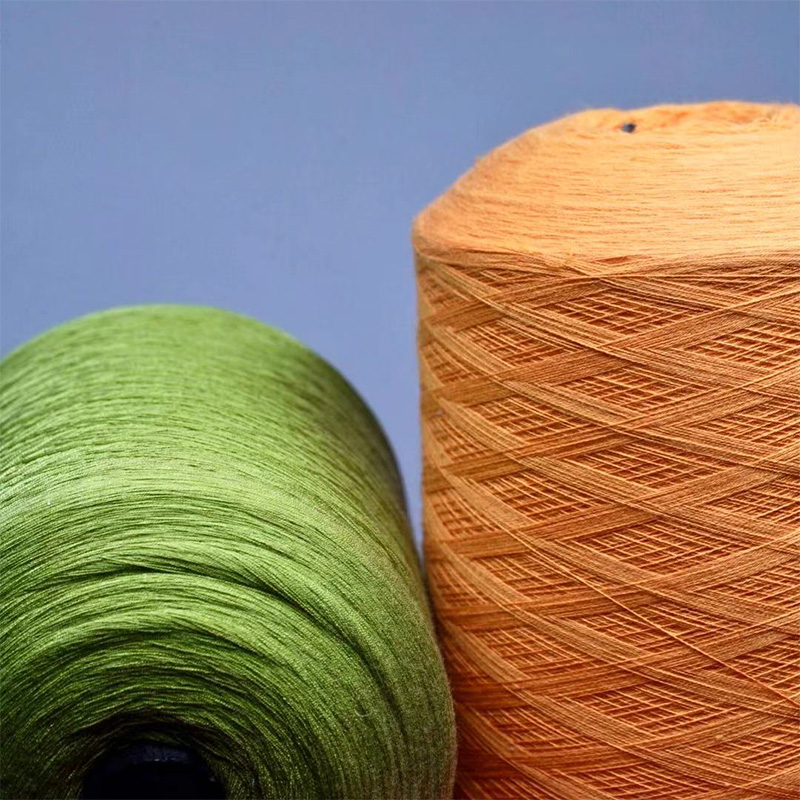
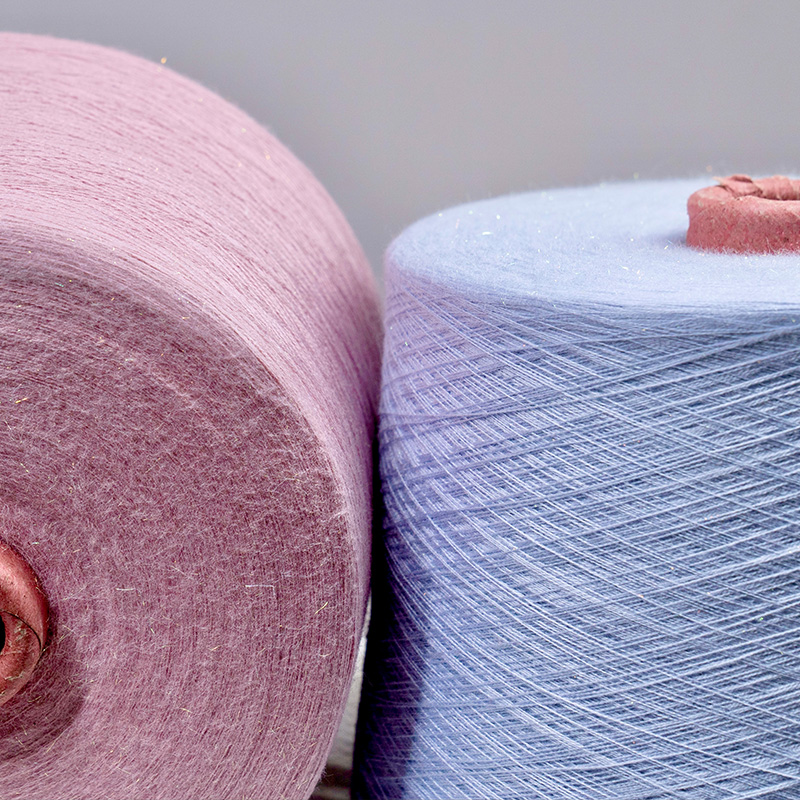
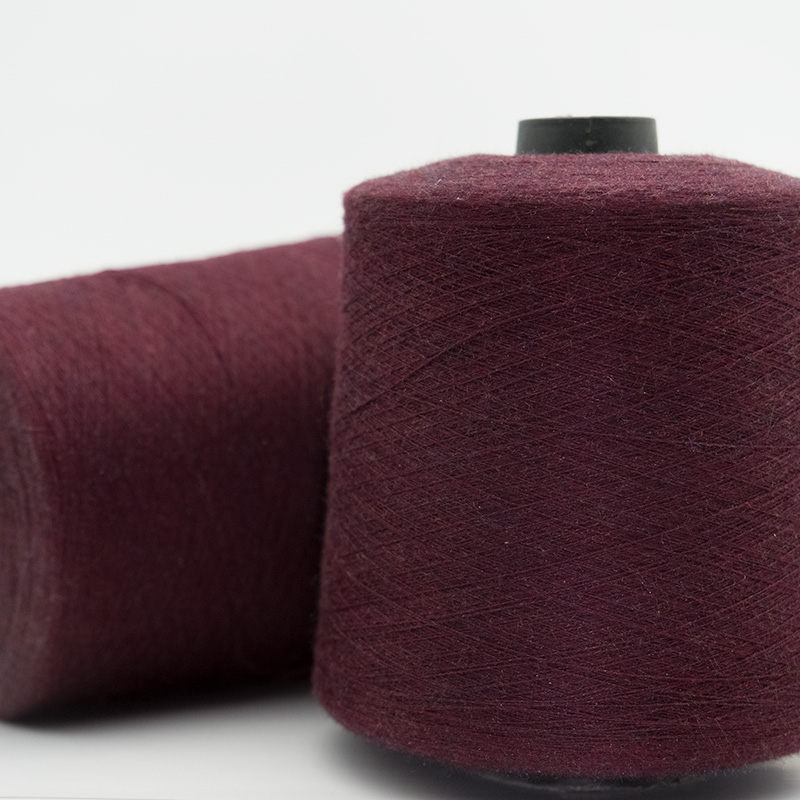
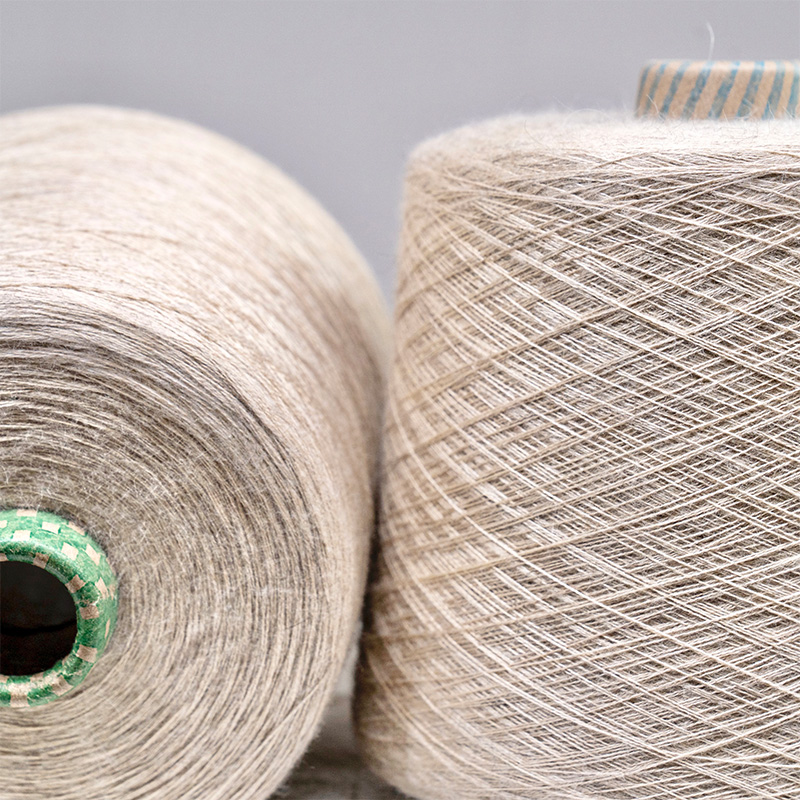
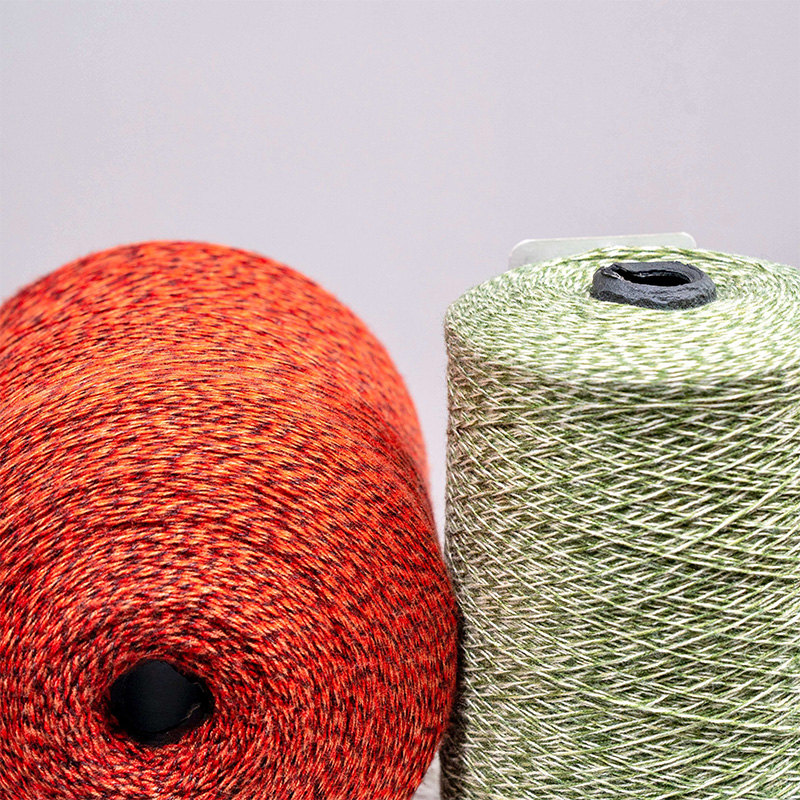
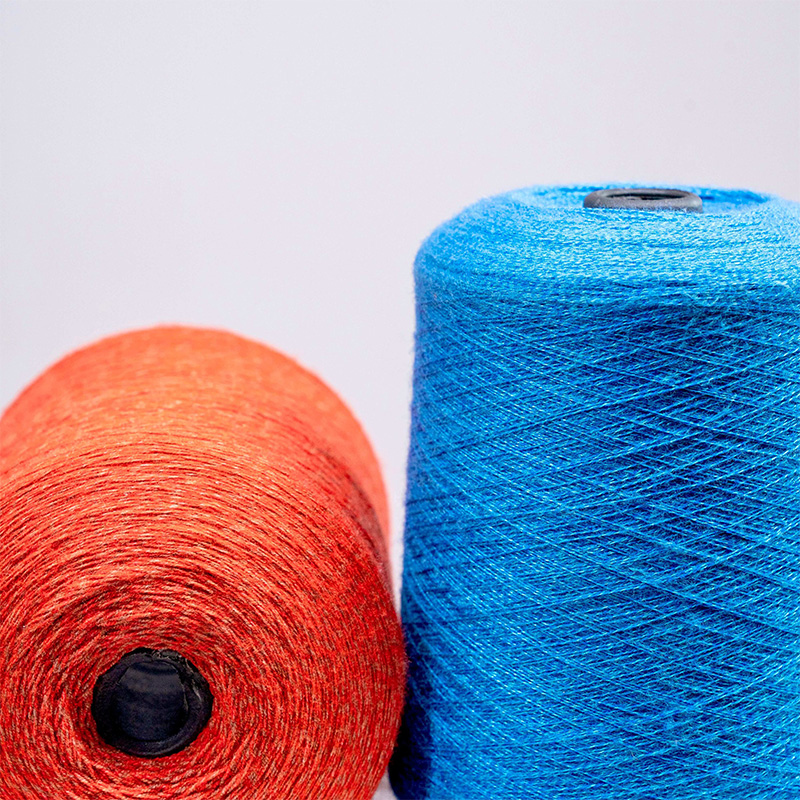
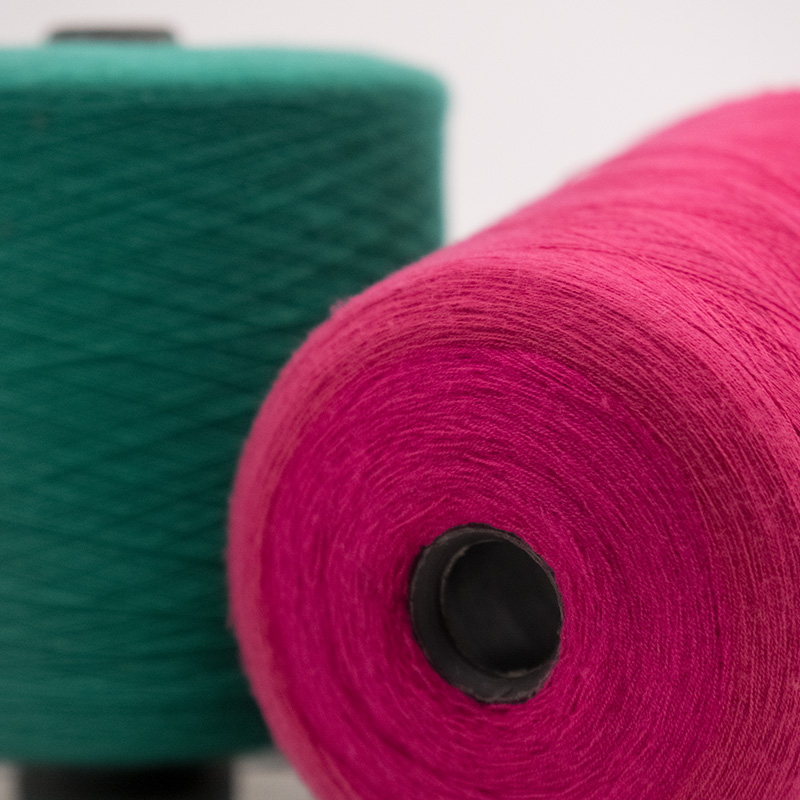
One of the most important industrial uses of spandex fiber is as the core filament in core-spun yarn. In this construction, a continuous spandex filament is wrapped under controlled tension with an outer sheath of natural or synthetic fibers — such as cotton, viscose, wool, or acrylic. The result is a yarn that combines the softness and aesthetics of the outer fiber with the stretch and recovery of spandex at its core.
At Wujiang Wanteng Baofu Textile Co., Ltd., core-spun yarns are produced using advanced spinning technology that precisely controls spandex draft ratios to achieve consistent elasticity across each batch. Whether for knitwear, hosiery, or performance fabric, spandex-core yarns from Wanteng deliver reliable stretch, superior seam strength, and shape retention through repeated wash cycles.
The incorporation of spandex into core-spun construction is especially valued in:
- Sweater and knitwear yarn requiring defined ribbed structure and fit retention
- Sock and hosiery yarn for ankle support and anti-roll-down performance
- Sportswear fabric yarn demanding full-range-of-motion comfort
- Denim and woven fabric yarn for flex and form-fitting silhouettes
Spandex vs. Other Elastic Fibers
| Fiber | Base Material | Max Elongation | Chlorine Resistance | Typical Use |
|---|---|---|---|---|
| Spandex / Elastane | Segmented polyurethane | 400–800% | Moderate (varies by grade) | Activewear, hosiery, knitwear |
| Rubber / Latex | Natural or synthetic rubber | Up to 600% | Poor | Waistbands, industrial elastic |
| Lastol | Cross-linked olefin | ~300% | Excellent | Swimwear, pool-resistant gear |
| PTFE-based elastic | Polytetrafluoroethylene | ~200% | Excellent | Medical and technical textiles |
Among all elastic fiber options, spandex remains the preferred choice for mainstream apparel due to its unmatched combination of fineness, recovery, and dyeability. Its ability to be blended into almost any yarn structure — from cotton T-shirts to luxury knitwear — makes it a cornerstone material of the global textile industry.
Environmental Considerations and Future Directions
As a petroleum-derived synthetic, conventional spandex raises sustainability concerns — it is not biodegradable and can be difficult to separate from blended fabrics at end-of-life. However, the textile industry is actively addressing these challenges:
- Bio-based spandex: Research into polyurethane derived from renewable feedstocks (e.g., corn-based PTMEG) is reducing reliance on fossil fuels.
- Solvent-free manufacturing: Melt-spun spandex processes are eliminating DMAc solvent use, reducing chemical waste and worker exposure risks.
- Recyclable blended fabrics: New chemical recycling technologies are emerging that can separate spandex from cotton or polyester blends for material reuse.
Wanteng Textile aligns with this sustainability push by offering an environmentally friendly series of core-spun yarns that incorporate eco-conscious fiber choices alongside spandex cores, helping downstream brands meet their green textile commitments without sacrificing performance.
CONTACT US
If you need to view WANTENG color chart, get a quote, or have questions, we invite you to contact us by filling out the form below.

ABOUT
CONTACT US
-
 Shengze Town, Tanqiu Village, Unit 6,7, Suzhou, Jiangsu, China.
-
 +86-18862359999
+86-13819413769 -
 sales@wjwtbf.com
madeline0831@vip.163.com
Copyright © Wujiang Wanteng Baofu Textile Co., Ltd. All Rights Reserved.
 Wholesale Knitting Yarn Manufacturers