


 English
 русский
 Español
 中文简体
中文简体

Industry News
What is Melange Fabric: Definition, Types, and Uses
2025-10-16
Content
1. Understanding Melange Fabric
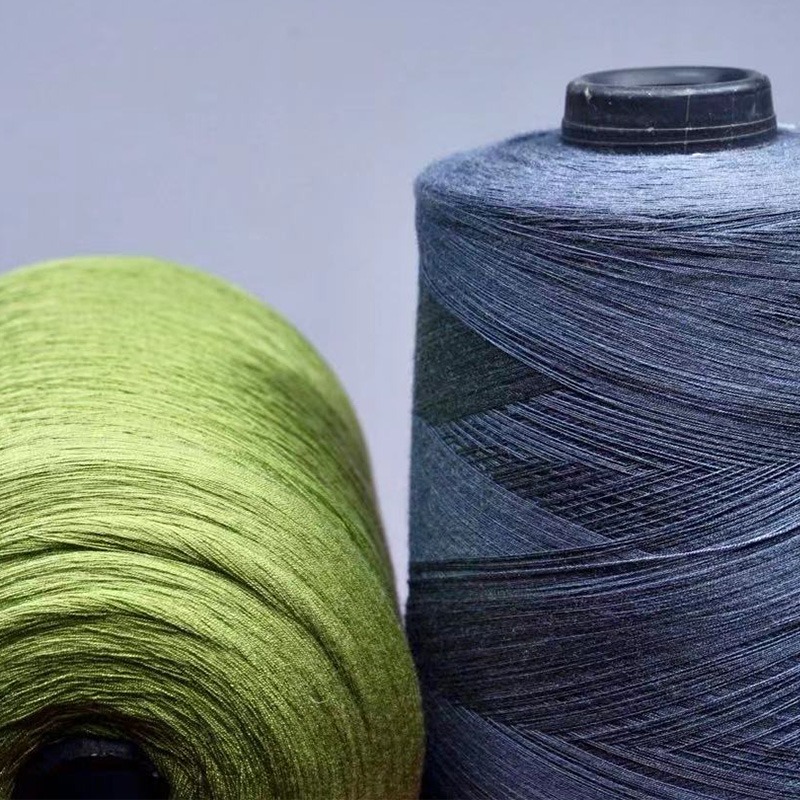
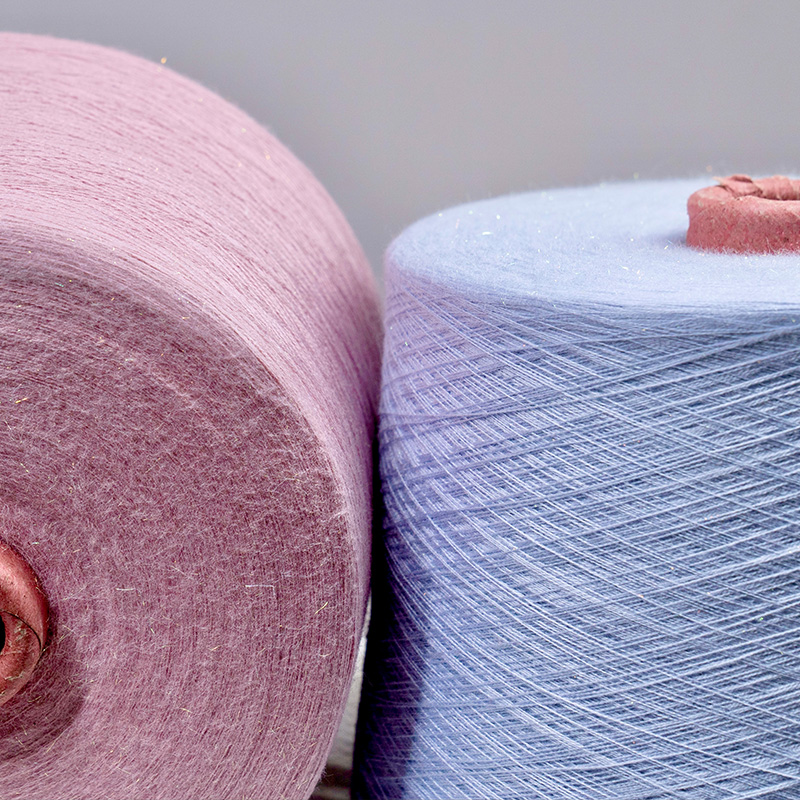
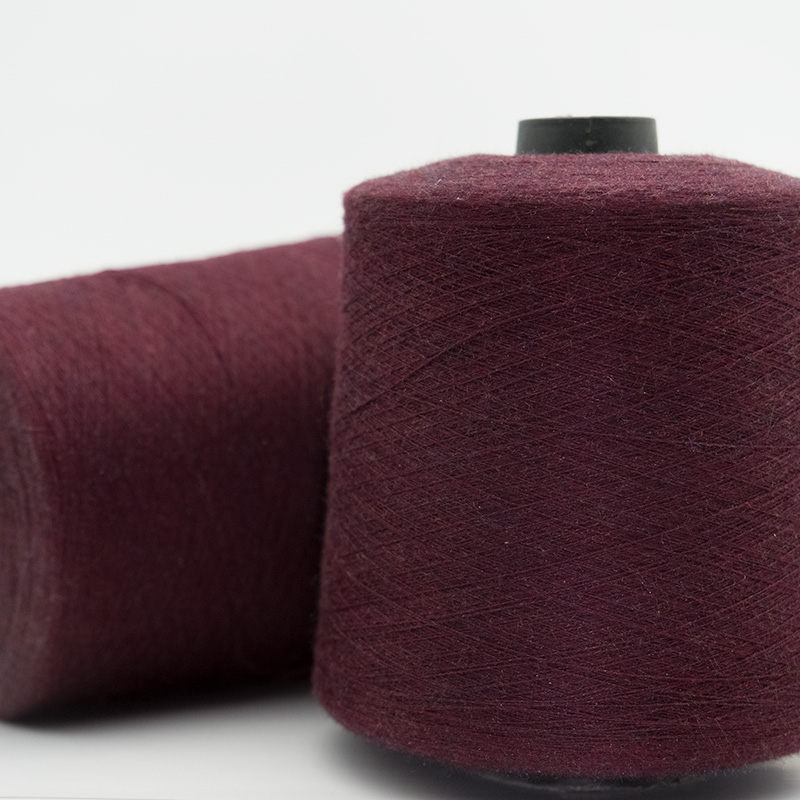
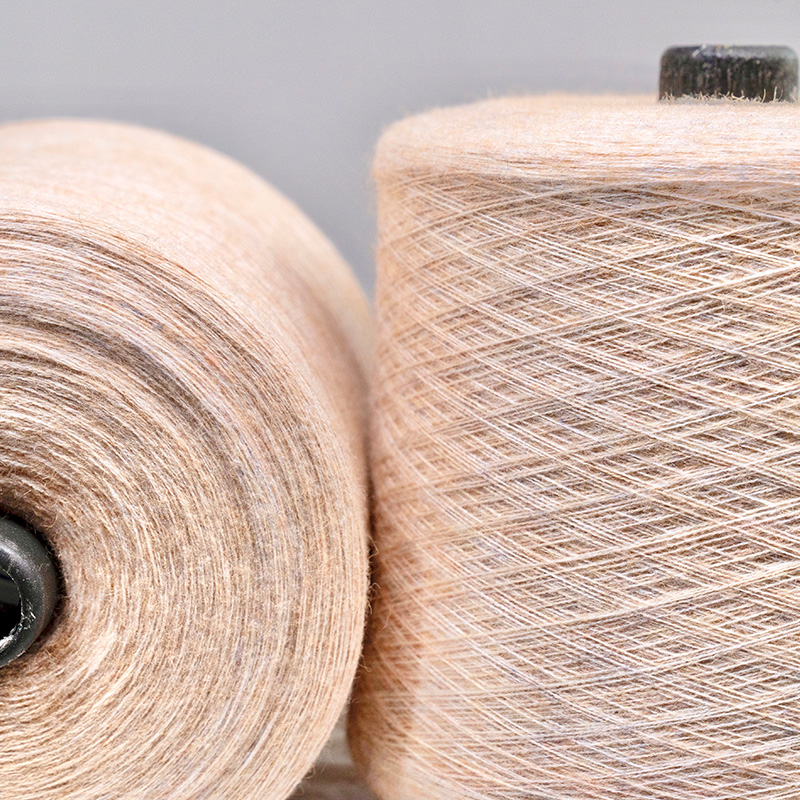
Melange fabric refers to a textile made by blending fibers of different colors, typically during the spinning process, to create a subtle, multicolored effect. Unlike printed fabrics, melange achieves its distinctive appearance through the combination of colored yarns, resulting in a natural, heathered look. This technique is commonly used in both natural fibers like cotton and wool, as well as synthetic fibers such as polyester.
2. How Melange Fabric is Made
The production of melange fabric involves blending fibers at the raw stage or mixing dyed yarns before weaving or knitting. The process includes:
- Selection of fibers: Natural or synthetic fibers are chosen based on the desired texture and performance.
- Dyeing: Fibers can be pre-dyed in different shades to achieve a multi-tonal effect.
- Blending: Different colored fibers are mixed to create the melange effect.
- Spinning: The blended fibers are spun into yarn.
- Weaving or knitting: The yarn is transformed into fabric with a uniform heathered appearance.
3. Types of Melange Fabrics
3.1 Cotton Melange
Cotton melange fabric is soft, breathable, and comfortable, making it popular for casual clothing like t-shirts, sweatshirts, and loungewear. The blended fibers create a subtle texture and color variation that enhances visual appeal.
3.2 Wool Melange
Wool melange fabric is commonly used in sweaters, coats, and suits. The multicolored effect adds depth and richness to wool garments, giving them a sophisticated and natural look while maintaining warmth and insulation.
3.3 Synthetic Melange
Synthetic melange fabrics, often made with polyester or blends, are durable, wrinkle-resistant, and retain their color over time. They are widely used in sportswear, uniforms, and home textiles such as curtains or upholstery.
4. Benefits of Melange Fabric
- Unique Appearance: Each piece has a subtle, natural variation in color.
- Durability: Blended fibers often improve the strength and longevity of the fabric.
- Versatility: Suitable for fashion, home textiles, and industrial applications.
- Comfort: Natural fiber blends provide softness, breathability, and warmth.
- Low Maintenance: Synthetic melange fabrics are easy to wash and resistant to wrinkles.
5. Common Applications of Melange Fabric
| Category | Examples |
| Casual Wear | T-shirts, sweatshirts, hoodies |
| Formal Wear | Suits, coats, jackets |
| Sportswear | Tracksuits, leggings, gym wear |
| Home Textiles | Curtains, upholstery, bed linens |
6. Care Tips for Melange Fabric
- Wash in cold water to prevent color bleeding, especially for cotton or wool blends.
- Use gentle detergents to maintain softness and color integrity.
- Avoid excessive heat when ironing; use low or medium settings.
- Store in a dry place to prevent mildew or fiber damage.
- For wool blends, consider dry cleaning to preserve texture and shape.
CONTACT US
If you need to view WANTENG color chart, get a quote, or have questions, we invite you to contact us by filling out the form below.

ABOUT
CONTACT US
-
 Shengze Town, Tanqiu Village, Unit 6,7, Suzhou, Jiangsu, China.
-
 +86-18862359999
+86-13819413769 -
 sales@wjwtbf.com
madeline0831@vip.163.com
Copyright © Wujiang Wanteng Baofu Textile Co., Ltd. All Rights Reserved.
 Wholesale Knitting Yarn Manufacturers