


 English
 русский
 Español
 中文简体
中文简体 Home / News / Industry News / Rabbit Hair Yarn: Properties, Blends & Sourcing Guide for Textile Manufacturers
Industry News
Rabbit Hair Yarn: Properties, Blends & Sourcing Guide for Textile Manufacturers
2026-04-03
Content
Rabbit hair yarn has long been prized in the textile industry for its exceptional softness, lightweight warmth, and distinctive fluffy appearance. Whether sourced from Angora rabbits or produced through advanced synthetic blending techniques, this fiber type plays an important role in luxury knitwear, fashion accessories, and high-end home textiles. For textile manufacturers and procurement teams, understanding the full picture—from raw fiber characteristics to modern imitation alternatives—is essential for making informed sourcing decisions.
What Is Rabbit Hair Yarn?
Rabbit hair yarn refers to yarn spun from the fine, downy coat of Angora rabbits—a breed selectively raised for its unusually soft and long fiber. Unlike wool, which comes from sheep, Angora fiber is harvested by combing, plucking, or shearing the rabbit's coat, typically every three to four months as the animal naturally molts. The resulting raw fiber is then cleaned, carded, and spun into yarn either in pure form or blended with other fibers such as nylon, polyester, or wool.
The term "rabbit hair yarn" is often used interchangeably with "angora yarn" in global trade, though technically not all rabbit fur products come from Angora breeds. In commercial textile production, both natural Angora fiber and high-quality synthetic alternatives designed to replicate its properties are actively traded under this category. China accounts for the vast majority of global Angora fiber production, making it a key supplier market for international buyers.
Key Properties of Rabbit Hair Fiber
What sets rabbit hair fiber apart from other natural fibers is a combination of structural and tactile qualities that are difficult to replicate precisely. These properties directly influence how the yarn performs in downstream manufacturing:
- Exceptional fineness: Natural Angora fiber measures between 10 and 16 microns in diameter, placing it among the finest natural fibers available. This fineness is responsible for the yarn's characteristic softness against the skin.
- Hollow fiber core: Each strand of Angora fiber contains a hollow medulla (core channel), which contributes significantly to its thermal insulation performance. This structure traps warm air while keeping the overall fabric weight low—making it warmer and lighter than conventional wool.
- The "halo" effect: When spun into yarn, fine rabbit hair fibers produce a soft, cloud-like fuzz around the yarn strand, known in the industry as a "halo." This aesthetic quality is highly valued in fashion knitwear and gives finished garments a distinctive visual texture.
- Silky texture: The surface of Angora fiber is smooth and naturally lustrous, contributing to a silky hand feel that appeals to premium apparel segments.
- Felting tendency: One challenge with natural rabbit hair is its high propensity to felt when exposed to moisture and friction. This characteristic requires careful handling during both manufacturing and consumer care.
Because of these properties, pure Angora yarn commands a significant price premium—natural fiber of good quality can cost considerably more per gram than standard wool—and is typically used in blends or as an accent yarn rather than as the sole fiber in a construction.
Natural vs. Imitated Rabbit Hair Yarn
For most commercial textile manufacturers, 100% natural rabbit hair yarn is impractical as a primary input due to its high cost, limited supply, and processing challenges. This has driven significant development in high-quality imitation alternatives that deliver comparable aesthetics and warmth at a fraction of the cost.
| Feature | Natural Rabbit Hair (Angora) | Imitated Rabbit Hair Core-Spun Yarn |
|---|---|---|
| Fiber source | Angora rabbit (natural) | Synthetic / blended fibers (acrylic, nylon, polyester) |
| Softness | Extremely soft (10–16 microns) | High softness, closely mimics natural feel |
| Halo effect | Natural, pronounced | Engineered, consistent across batches |
| Warmth | Excellent (hollow fiber core) | Good to excellent (depends on blend) |
| Durability | Lower (prone to pilling and felting) | Higher (synthetic outer fibers improve abrasion resistance) |
| Cost | High | Significantly lower |
| Supply stability | Variable (seasonal, animal-dependent) | Consistent year-round |
| Color range | Limited by natural fiber dyeing | Wide, consistent color matching possible |
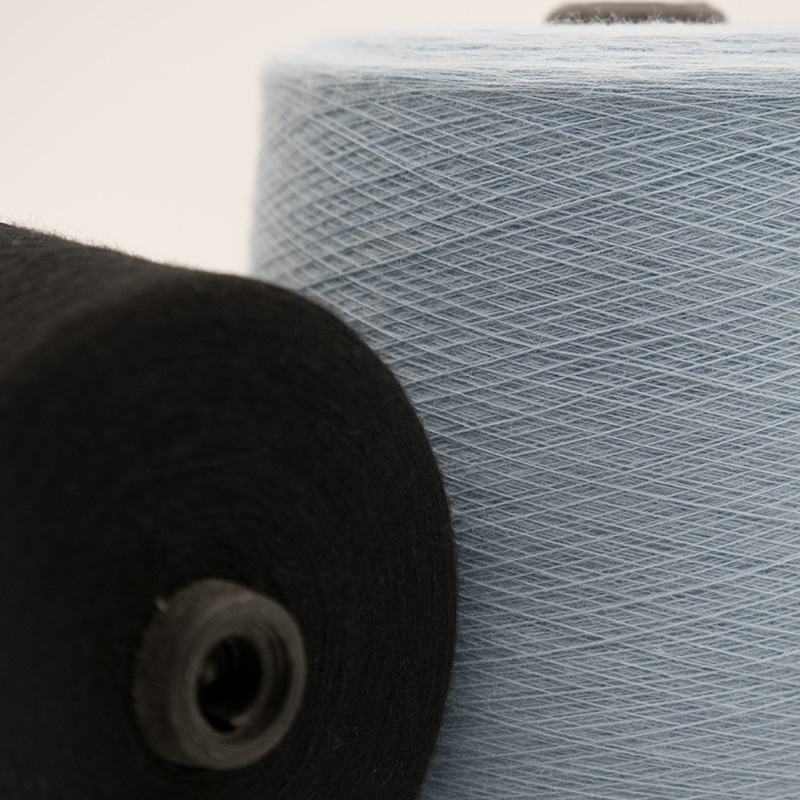
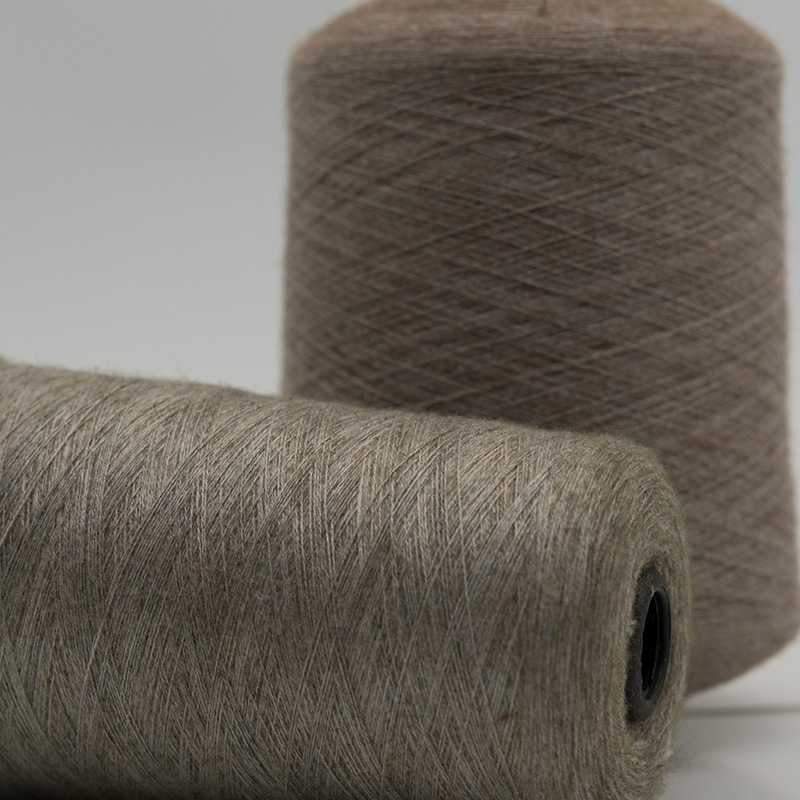
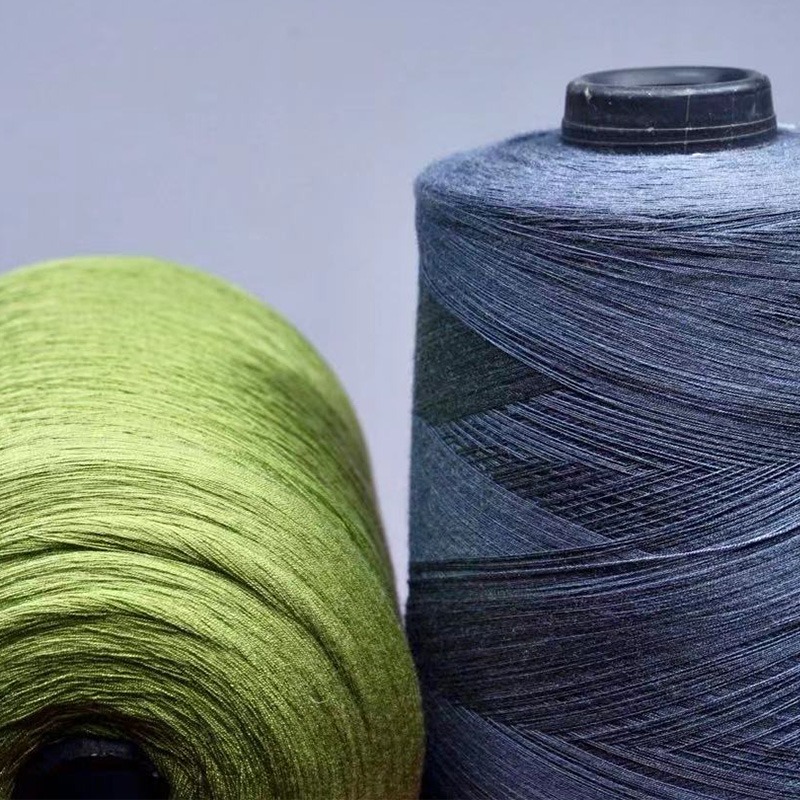
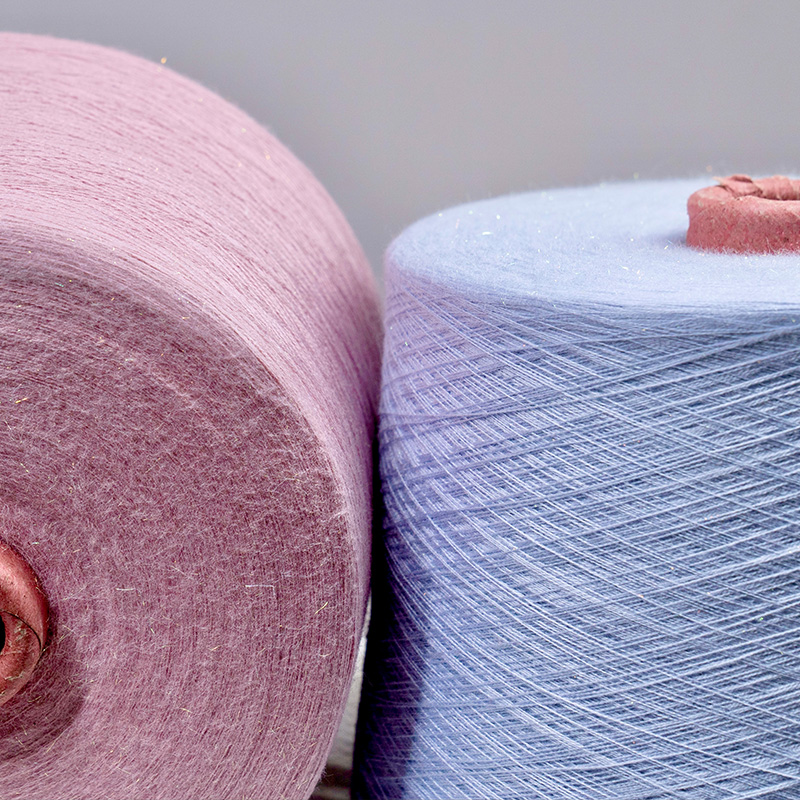
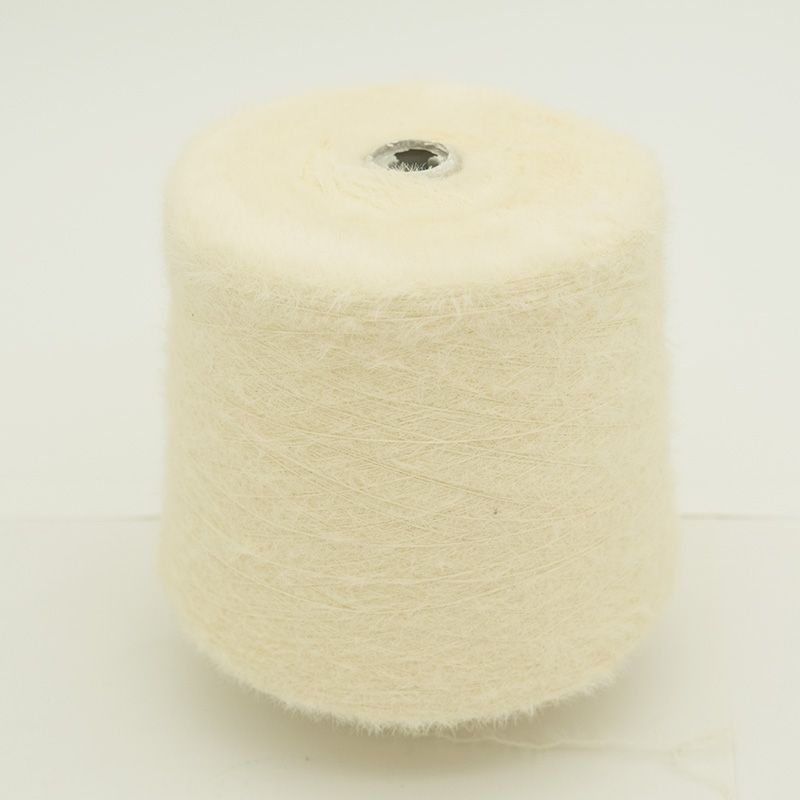
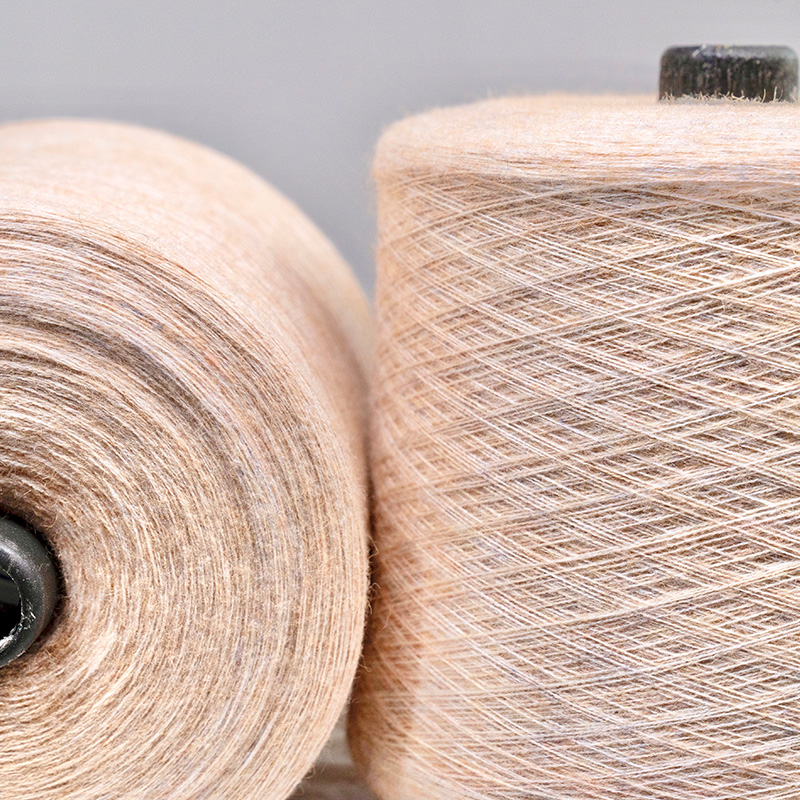
Imitated rabbit hair core-spun yarns are constructed using a two-layer structure: an inner core that provides structural strength and elasticity, wrapped with soft fibers engineered to replicate the tactile and visual properties of real rabbit fur. Our soft imitation rabbit velvet core-spun yarn is a representative example of this construction—combining internal strength with a plush, rabbit-like exterior that performs consistently across high-volume production runs.
Common Blends and Yarn Specifications
Whether working with natural or imitated rabbit hair, most commercial applications involve fiber blending to optimize cost, performance, and processability. The most frequently encountered commercial blend for angora-style yarn is approximately 45% rabbit hair fiber combined with 55% nylon—a ratio that preserves the soft hand feel and halo effect while significantly improving yarn strength, colorfastness, and washability.
Other common blends include rabbit hair with polyester (for added warmth and shape retention), wool (for enhanced structure and resilience), and acrylic (for cost reduction while maintaining softness). In terms of yarn count, rabbit hair yarns are commonly produced in the range of 26S/2 to 32S/2 for standard knitting applications, though finer or heavier counts are available for specialized end uses.
For buyers seeking a more accessible entry point, our angora-style blended yarn with acrylic and nylon delivers consistent halo performance with excellent machine-knitting compatibility, making it well-suited for mid-range fashion production.
Applications in Textile Manufacturing
Rabbit hair yarn—whether natural or imitated—finds application across a broad range of finished goods. Its softness, warmth, and visual appeal make it especially valuable in consumer-facing products where tactile quality and premium appearance are priorities:
- Knitwear: Sweaters, pullovers, and cardigans represent the largest application category. The halo effect adds visible luxury to garments without requiring complex construction techniques.
- Accessories: Scarves, hats, gloves, and mittens benefit greatly from the fiber's warmth-to-weight ratio and skin-friendly softness.
- Home textiles: Cushion covers, throws, and decorative blankets leverage the visual texture of rabbit hair fiber to create high-perceived-value products at retail.
- Fashion trims and accents: Even in small quantities, rabbit hair yarn adds a distinct luxurious finish to collar trims, cuffs, and edgings on outerwear.
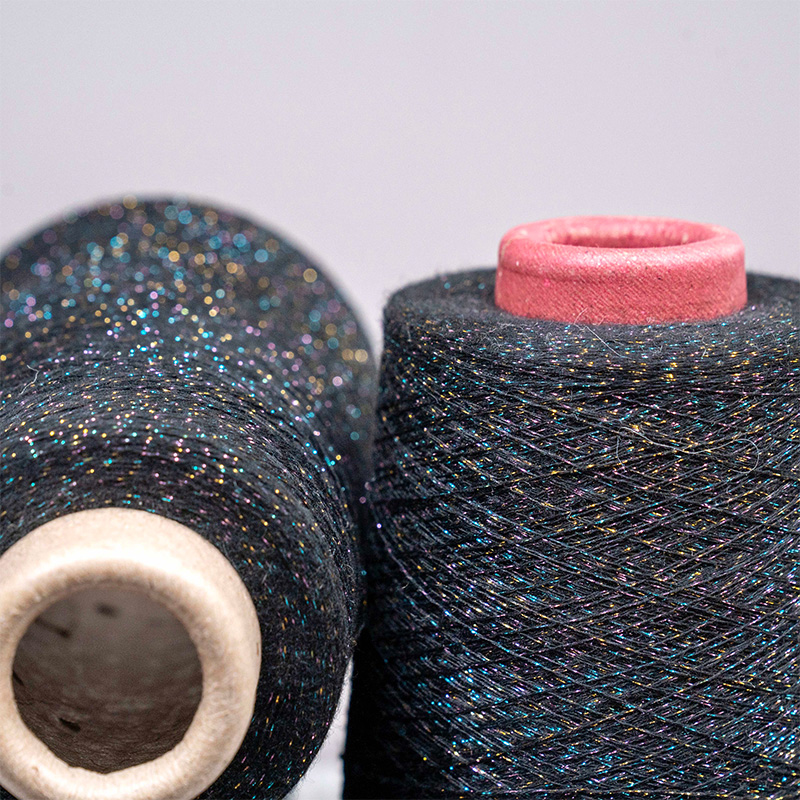
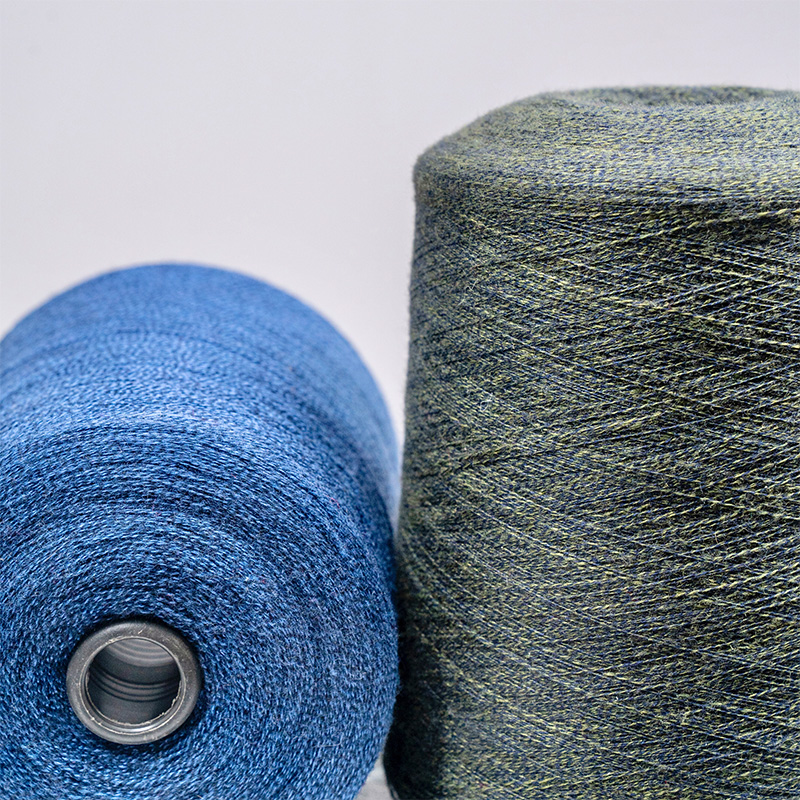
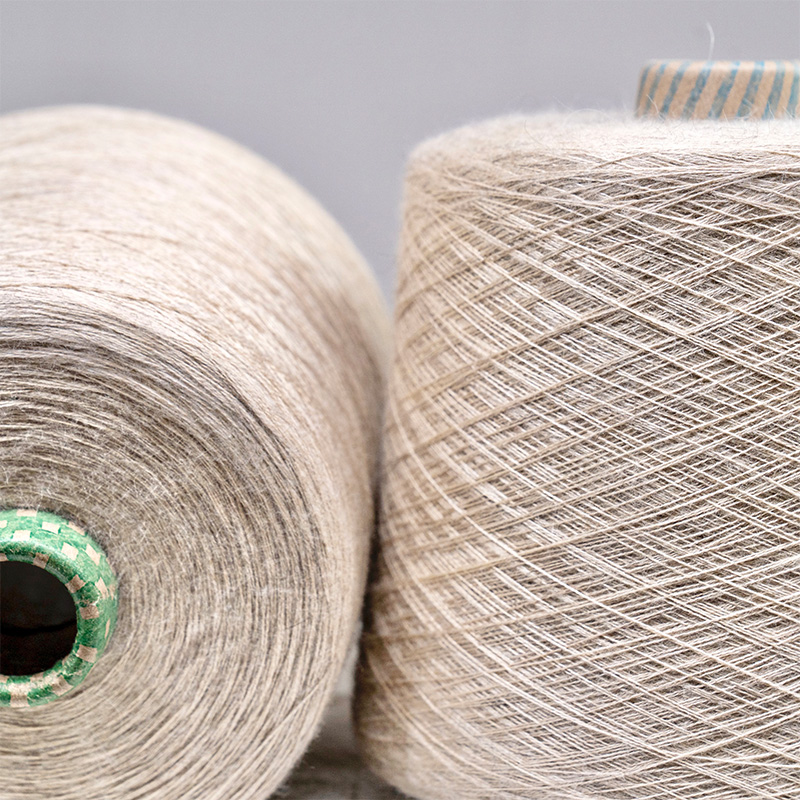
For manufacturers looking to expand their material portfolio, our full range of fancy blended yarns includes multiple rabbit-hair-inspired constructions suitable for both hand knitting and industrial machine production.
How to Source and Care for Rabbit Hair Yarn
When sourcing rabbit hair yarn at scale, buyers should evaluate several key parameters beyond price per kilogram. Fiber fineness consistency, halo uniformity across production batches, colorfastness ratings, and compatibility with existing knitting machinery are all critical factors that influence downstream yield and finished product quality.
For natural Angora yarn, supply timing matters—fiber availability is tied to the rabbit's natural molt cycle, and premium-grade fiber (taken from the back and upper sides of the animal) is considerably more limited than lower-grade material. For imitated rabbit hair yarns, buyers benefit from year-round availability and the ability to specify exact counts, colors, and blend ratios to match production requirements.
On the care side, finished products made from rabbit hair yarn—natural or imitated—generally perform best with the following handling guidelines:
- Hand wash in cold water (maximum 30°C / 86°F) using a gentle detergent
- Avoid wringing or twisting; press gently to remove excess water
- Dry flat on a clean towel away from direct heat or sunlight
- Store folded rather than hung to prevent stretching
For B2B buyers ready to specify or trial rabbit hair yarn constructions for upcoming seasons, our team offers custom yarn specifications and blending options including sample development, count adjustment, and color matching services to meet your exact production requirements.
CONTACT US
If you need to view WANTENG color chart, get a quote, or have questions, we invite you to contact us by filling out the form below.

ABOUT
CONTACT US
-
 Shengze Town, Tanqiu Village, Unit 6,7, Suzhou, Jiangsu, China.
-
 +86-18862359999
+86-13819413769 -
 sales@wjwtbf.com
madeline0831@vip.163.com
Copyright © Wujiang Wanteng Baofu Textile Co., Ltd. All Rights Reserved.
 Wholesale Knitting Yarn Manufacturers